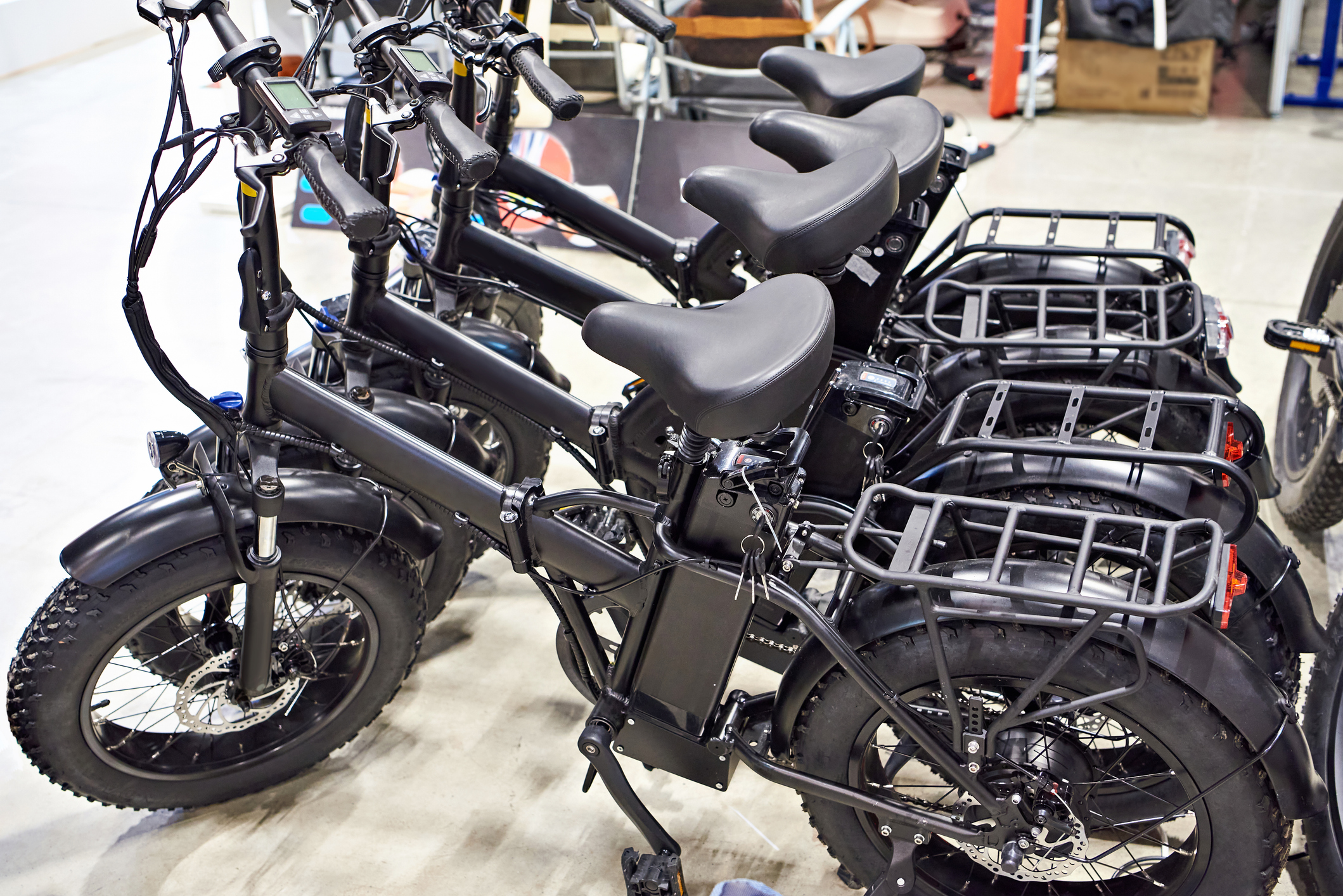
Legislation (A.9568) introduced by Assemblymember Sam Berger, D-27, would amend New York state’s Vehicle and Traffic Law to require electric scooter service platforms to maintain liability insurance coverage for scooters offered to the public through app-based digital networks.
While the bill is narrowly focused on scooter service platforms rather than individual riders, it raises broader insurance considerations that independent agents should be aware of as micromobility continues to expand across the state.
Why this matters to agents
E-scooters are a routine part of New York state’s transportation mix—particularly in urban and suburban markets. As their use has increased, so have accidents involving pedestrians, motorists and scooter operators. Yet, insurance responsibility in these situations often is unclear.
From an agent’s perspective, this lack of clarity can create difficult claims scenarios. Injured third parties may first turn to their own auto, homeowners or health insurance. Policyholders may assume coverage exists when it does not. Frequently, agents are left explaining exclusions, limitations and coverage gaps after a loss has occurred.
This legislation would attempt to address those gaps by placing primary responsibility on the commercial entities that own and control scooter fleets, rather than leaving liability questions to be sorted out after the fact.
What the legislation would require
Under the bill, an e-scooter service platform would be required to maintain group liability insurance policies to cover scooters accessed through its digital network for the duration of each trip. Coverage would apply from the time a rider unlocks the scooter until the trip ends, and it would be the primary insurance over any other available coverage.
The policy would be required to provide at least $25,000 per occurrence in liability coverage for bodily injury, death and property damage arising from the ownership, maintenance or operation of the scooter. Personal injury protection under New York’s no-fault law would not apply.
The bill also would require that proof of insurance be produced upon request by law enforcement or by individuals claiming injury or property damage resulting from scooter operation. Responsibility for maintaining coverage would rest with the service platform, not individual riders, reflecting the commercial nature of these fleet-based operations.
Reducing coverage confusion and unintended exposure
Independent agents understand many homeowners and renters policies provide limited or inconsistent coverage for motorized devices, while personal auto policies generally exclude losses involving vehicles that do not meet the statutory definition of an automobile. When a claim involves an app-based scooter, determining which policy applies can be complex and time-consuming.
By establishing a clear insurance requirement for scooter service platforms, the bill would help reduce uncertainty for insurers, agents and policyholders alike. It also would help prevent situations in which personal lines of coverage is expected to respond to what is effectively a commercial exposure.
Previously, similar concerns have been raised with respect to e-bikes and e-scooters more broadly, reinforcing the need for consistent insurance standards as micromobility use continues to grow.
About the sponsor
Assemblymember Berger is well known to the insurance community as the sponsor of the repeal of New York City’s anti-arson application requirements, legislation that PIANY strongly supported. That measure addressed long-standing concerns from independent agents regarding outdated underwriting requirements that created unnecessary administrative burdens without improving risk assessment.
His sponsorship of this bill reflects a continued focus on modernizing insurance-related statutes to better align with current market realities and evolving risks.
What agents should watch going forward
If enacted, this legislation could influence how insurers underwrite and price coverage for micromobility platforms. It also may prompt further discussion around limits adequacy, excess liability placements, and claims handling expectations for these emerging exposures.
For independent agents, the bill serves as another reminder of the importance of educating clients about when coverage does and does not apply—particularly as new transportation models blur the line between personal and commercial risk.
Bottom line
As New York state continues to adapt its laws to emerging transportation trends, insurance requirements like those proposed in this bill play an important role in protecting the public and bringing clarity to the marketplace.
For independent agents, the proposal represents a step toward reducing coverage gaps, limiting unintended exposure for personal lines clients, and ensuring responsibility for losses rests with the appropriate parties.
PIANY will continue to monitor this legislation and advocate for policies that promote clear insurance frameworks while supporting a healthy and competitive insurance market.

Joseph Ritchie
Joe Ritchie joined PIA Northeast as government and industry affairs coordinator for the Government & Industry Affairs Department in 2025, where he supports the association’s legislative, regulatory and member-advocacy initiatives across the Northeast. Prior to joining PIA, Joe served as the Advocacy & Policy Coordinator at Riverkeeper, working closely with municipal leaders, environmental organizations, and state agencies to advance clean water protections in the Hudson Valley. Previously, he worked as the Administrator of Government Affairs at Spectrum, where he managed statewide regulatory filings, supported broadband deployment efforts, and coordinated communications with policymakers. Joe also spent time in the New York State Assembly, assisting Assemblymember Kevin Cahill during his tenure as Chair of the Insurance Committee, where he contributed to committee meeting preparations, legislative research and constituent support. In addition to his government affairs work, Joe is the co-founder and Chair of Lights Out Norlite, a community-based environmental justice initiative focused on improving public health and industrial oversight in the Capital Region. He received his bachelor’s degree from Syracuse University and remains an active supporter of Syracuse Football. Outside of work, Joe enjoys cooking Italian meals for his wife, spending time with his family and camping throughout the Adirondacks.