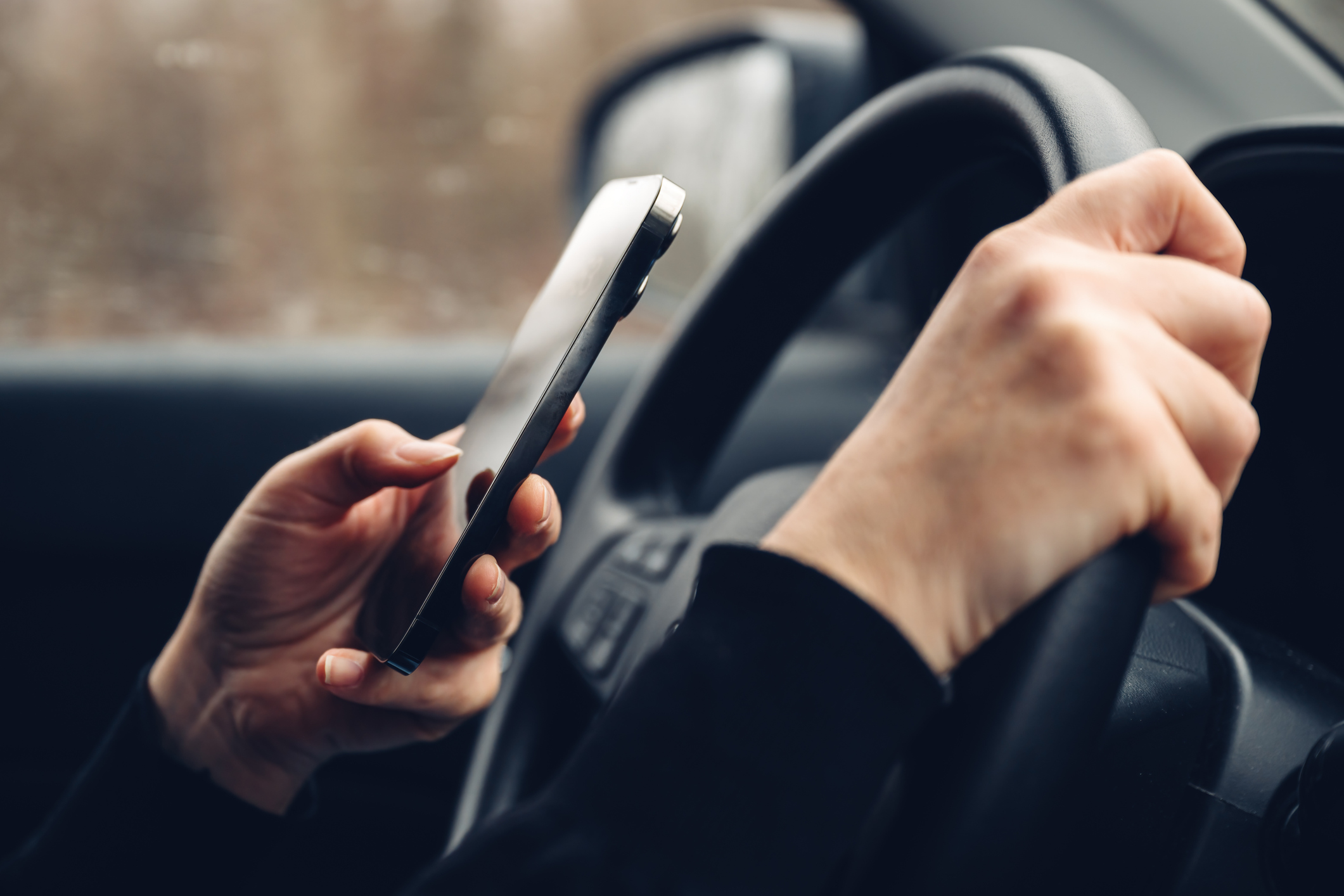
Nearly every driver agrees that impaired driving is dangerous, but awareness alone isn’t enough to stop it. Recently, the AAA Foundation for Traffic Safety reported on this disconnect, finding that while people support stronger safeguards, risky behavior on the roads persists.
Most drivers clearly understand the dangers of distracted driving. The survey found that almost all drivers admit to the dangers of scrolling through social media (97%), texting or emailing (94%) and reading on a handheld phone (90%). Yet many still admit to risky behavior, with more than a third of the respondents reporting that they engage in such behavior while driving.
That gap between what drivers know and how they actually behave is striking. To better understand what this means beyond self-reported behavior, real-world claims data puts this into perspective by illustrating how changes in driving behaviors, vehicle technology and enforcement are influencing crash risk, costs and overall road safety.
A look at real-world trends behind the wheel
Beyond self-reported driving behavior surveys using real-world claims data from insurers, a positive trend emerges: fewer claims across the industry. In 2021, after the COVID pandemic, there was a temporary spike in driving and higher speeds as people flocked back to the roads. However, traffic patterns have since calmed, and excessive speed has become less of a concern. These changes, along with the improved safety features in newer vehicles, are helping drive better outcomes overall.
Insurers are encouraging these trends through usage-based insurance programs that reward safe driving, such as lower rates and perks—like free coffee—and access to exclusive discounts. These programs not only encourage safer driving habits, but they also provide insight into the habits of all household members—especially for parents of younger drivers, particularly as surveys continue to show that many Gen Z drivers text or interact with texts while driving.
As these programs become more common and safety technology continues to improve, drivers have greater visibility into their habits and more opportunities to make small changes that add up. There always will be new challenges on the road, but drivers now have more resources than ever to support safer habits.
How technology encourages safer habits
As cars get smarter, they help drivers avoid distractions behind the wheel. With easy-to-use features like hands-free calling, texting and voice commands, drivers can stay connected without taking their hands off the wheel or eyes off the road.
In the future, drivers won’t need to touch or look at screens at all, relying solely on voice commands. While voice technology continues to improve, some drivers still are adjusting to it. At the same time, phone integration is becoming smarter, and many systems now limit phone functions while driving automatically—reducing temptation and distractions.
Despite these clear benefits and ease of use, drivers are hesitant to adopt technologies (i.e., touch screens and voice control), claiming they actually encourage distracted driving and complicate vehicles. Automakers are aware and actively addressing these concerns by designing newer systems that prioritize hands-free interaction—such as steering wheel controls, windshield or dashboard displays and detection cameras.
Outside of voice, safety features such as lane assistance and fatigue detection are becoming more common in newer vehicles, helping monitor real-time driving behavior and alerting drivers to potential lapses in focus. Even as these technologies become more mainstream, they can only be effective when drivers choose and understand how to use them to their potential.
How claims data is shaping the future of road safety
Over the past few years, insurance companies have put in a lot of effort to analyze how people’s driving habits have changed. Instead of relying on what drivers say about their behavior, they’re focusing on real claims data to make better decisions by aligning ratings with behavioral trends.
This data shows that the best way to reduce risk is to combine technology with behavior-based strategies. Programs that track usage, safety features in cars, and targeted enforcement all work together to influence driving habits. Simultaneously, advancements in these technologies are changing safety outcomes and repair costs. While systems designed to help prevent accidents are great, they also can make minor repairs pricier because of added sensors, cameras and computers. Insurers believe that, over time, this upfront cost will be outweighed by longer-term benefits as these tech improvements help cut down on serious accidents enough to balance out the higher costs.
While risky driving habits haven’t completely vanished, we’re headed in the right direction—and much of it has to do with advancements in technology. However, it’s clear that just having technology isn’t enough. Drivers need to take responsibility for their actions on the road. As we keep evolving our cars, insurance models, and how we enforce traffic rules, it looks like the future is set to be all about safer, smarter roads.

Howard Goldberg
Howard joined Plymouth Rock in 2011 and he leads the independent agency Customer Solutions organization. He and his team provide customer service, rate pursuit, agency service center and book transfer services. In addition, Howard oversees the digital and omni-channel transformation efforts. He has more than three decades of experience delivering customer experience in the insurance and financial services industries. Prior to joining Plymouth Rock, Howard was vice president of customer solutions at eSurance. He also served in key leadership roles at Fidelity and Putnam Investments.