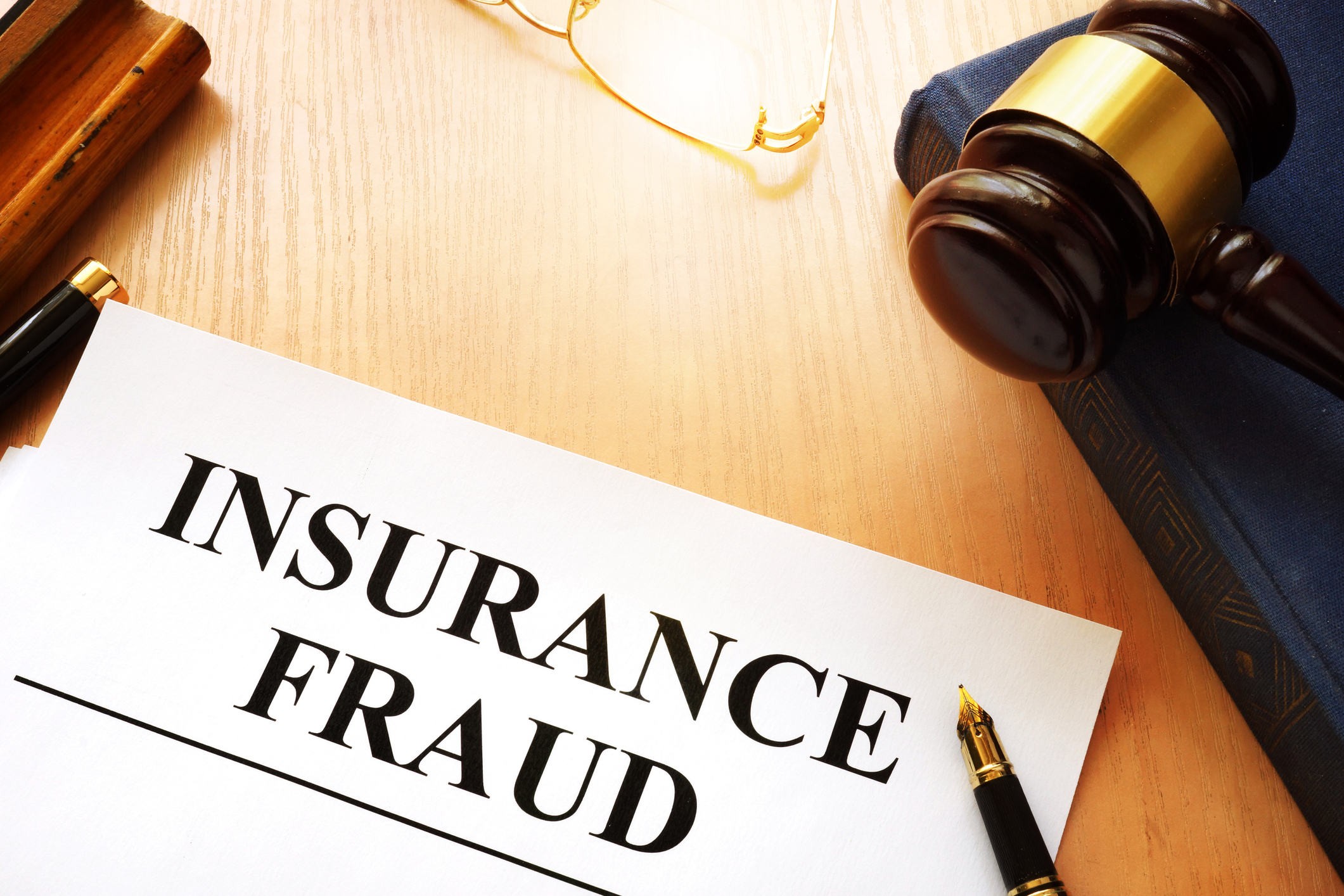
Insurance fraud is not a victimless crime. It drives premiums, strains underwriting capacity, and ultimately makes New York state less affordable for families, businesses and communities.
A new proposal in Albany, sponsored by Insurance Chair Assemblyman David Weprin, D-24, would take direct aim at one of the most costly and troubling forms of fraud in the state. A.10224, known as the Fraudulent Claims Reduction and Unlawful Deception Act or FRAUD Act, would establish enhanced criminal penalties and enforcement mechanisms to deter staged construction site accidents and fabricated motor vehicle collisions.
For independent agents, carriers, contractors and policyholders, this legislation would represent a meaningful step toward restoring fairness and accountability in the system.
Targeting staged construction site accidents
New York state’s construction market has long struggled with high liability and insurance costs. While many factors contribute to those pressures, staged accident schemes have become a serious concern.
The bill explicitly would address individuals who intentionally enter construction sites to stage, fabricate or simulate accidents for the purpose of filing fraudulent insurance claims. It also would apply to those who orchestrate or encourage such conduct.
Under the proposal, staging a construction site accident for insurance fraud would constitute a Class E felony.
That is an important statement. Fraudulent claims not only increase loss costs for insurers, but also inflate construction expenses, delay projects, and ultimately contribute to higher housing and infrastructure costs statewide.
By clearly defining this conduct and attaching meaningful criminal consequences, the FRAUD Act would send a strong signal that intentional abuse of the insurance system will not be tolerated.
Cracking down on staged auto collisions
Additionally, the legislation would address auto insurance fraud involving staged collisions and fabricated claims.
Staged crashes and inflated medical and wage loss claims have long been drivers of auto insurance costs. The bill would make it a Class E felony to intentionally cause or stage a motor vehicle collision, or to knowingly submit or assist in submitting false or fraudulent claims under an automobile policy.
In cases in which losses exceed $1,500, increased penalties would apply.
For insurers and agents working in the personal auto market, this is significant. Fraudulent activity distorts underwriting results, increases combined ratios, and ultimately contributes to premium pressure across entire business books.
Deterrence matters. When penalties are clear and enforceable, fraudulent actors may think twice before attempting to manipulate the system.
Enhancing restitution and enforcement
Beyond criminal classification, the FRAUD Act would strengthen enforcement tools.
Individuals convicted under the new provisions would be subject to restitution to insurers for amounts paid because of fraudulent claims. They also could face civil penalties of up to $5,000, plus the amount of the fraudulent claim and exclusion from receiving benefits under state regulated insurance policies for up to two years after conviction.
The legislation also would direct the New York State Department of Financial Services’ superintendent of insurance to require insurers to provide timely notice to law enforcement of suspected fraudulent claims, cooperate in investigations, and report aggregate fraud data annually to the Legislature.
In addition, insurance fraud units would receive additional resources to investigate and prosecute violations.
These provisions recognize an important truth. Fraud prevention is not just about penalties. It is about coordination, reporting and ensuring that enforcement agencies have the tools and resources necessary to act.
Why this matters for independent agents
Independent agents operate at the intersection of carriers and consumers. When fraud increases, everyone feels the impact.
Higher claim severity and frequency contribute to rate pressure. Tighter underwriting follows. Capacity can shrink. Legitimate policyholders end up paying more.
By targeting intentional staging and fabrication schemes, Assemblyman Weprin’s legislation would aim to reduce one of the drivers of unnecessary cost in both construction and auto insurance markets.
For agents serving contractors, real estate developers and business owners, efforts to curb construction site fraud can help stabilize a market that has faced persistent challenges.
For those writing personal auto coverage, stronger deterrence against staged collisions may help improve long-term affordability.
Fraud prevention is pro-consumer and pro-market. It protects honest policyholders and supports a healthier insurance environment.
Restoring fairness and accountability
The legislative findings in the bill would underscore the broader economic impact of fraudulent claims, noting their role in increasing insurance premiums and raising costs associated with housing, infrastructure development and transportation projects.
When bad actors exploit liability frameworks and insurance systems, the ripple effects extend far beyond a single claim file.
The FRAUD Act would represent a clear policy choice. New York state can either tolerate escalating fraud that drives costs, or it can strengthen its legal framework to deter intentional misconduct.
Assemblyman Weprin’s proposal would take the latter approach.
For independent agents committed to protecting clients and promoting a fair insurance marketplace, supporting this legislation is a practical and responsible position.
Insurance works best when the rules are enforced, and the system is protected from abuse. The FRAUD Act would move the state closer to that goal.

Joseph Ritchie
Joe Ritchie joined PIA Northeast as government and industry affairs coordinator for the Government & Industry Affairs Department in 2025, where he supports the association’s legislative, regulatory and member-advocacy initiatives across the Northeast. Prior to joining PIA, Joe served as the Advocacy & Policy Coordinator at Riverkeeper, working closely with municipal leaders, environmental organizations, and state agencies to advance clean water protections in the Hudson Valley. Previously, he worked as the Administrator of Government Affairs at Spectrum, where he managed statewide regulatory filings, supported broadband deployment efforts, and coordinated communications with policymakers. Joe also spent time in the New York State Assembly, assisting Assemblymember Kevin Cahill during his tenure as Chair of the Insurance Committee, where he contributed to committee meeting preparations, legislative research and constituent support. In addition to his government affairs work, Joe is the co-founder and Chair of Lights Out Norlite, a community-based environmental justice initiative focused on improving public health and industrial oversight in the Capital Region. He received his bachelor’s degree from Syracuse University and remains an active supporter of Syracuse Football. Outside of work, Joe enjoys cooking Italian meals for his wife, spending time with his family and camping throughout the Adirondacks.