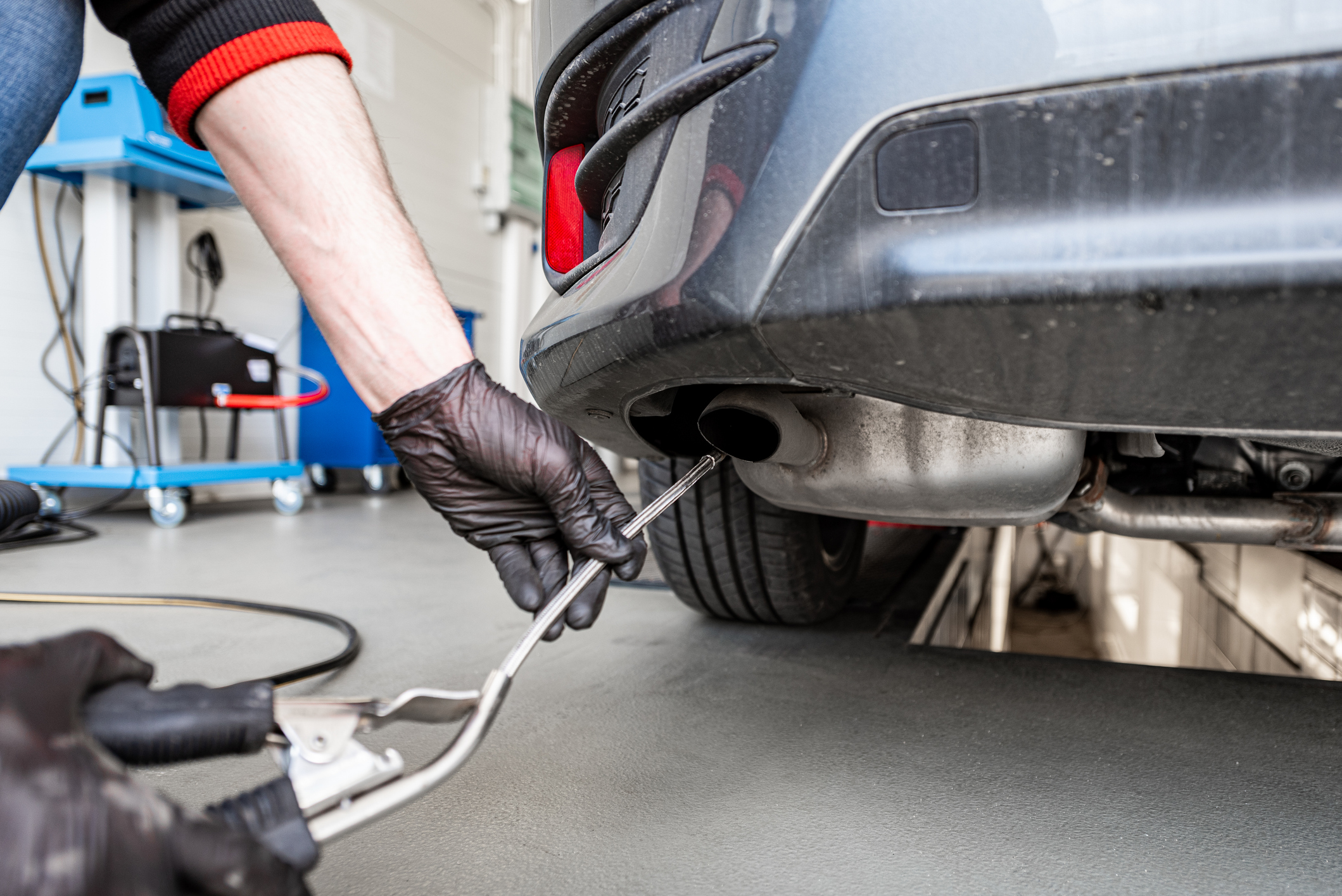
New Hampshire’s vehicle inspection program is officially suspended. While the message to drivers is straightforward, the broader implications deserve a closer look from the insurance community.
Recently, the New Hampshire Department of Justice and Department of Safety announced that the vehicle inspection program is suspended until further notice. No inspection stations are authorized to issue state inspection stickers. For now, motorists do not need to obtain a new inspection sticker.
The situation developed quickly, and it has created understandable confusion. For agents and brokers, however, this is more than a Division of Motor Vehicles’ headline. It is a regulatory shift that could influence risk conditions, underwriting considerations and client conversations across the state.
How New Hampshire got here
Earlier this year, the New Hampshire Legislature voted to eliminate the state’s annual vehicle inspection program, including both safety and emissions testing. Lawmakers set an effective end date, signaling a significant policy change.
The complication stems from federal emissions requirements. In certain counties, New Hampshire’s emissions testing program is tied to the federal Clean Air Act. Before the repeal could fully take effect, Gordon Darby, the vendor that supplies the emissions of testing equipment, filed a lawsuit in federal court. The company argued that ending emissions testing without approval from the Environmental Protection Agency would violate federal law.
U.S. District Court Judge for the District of New Hampshire Landya McCafferty ordered the inspection program to continue while the legal issues are resolved. Then, another development followed. The New Hampshire Executive Council declined to move forward with the contract for emissions testing equipment. Without an authorized vendor, the state no longer had the mechanism to conduct inspections. The practical result is the current suspension.
The state is appealing the federal ruling, and it is seeking approval from the EPA to formally eliminate emissions testing. Officials have made it clear that the status of the program could change as the legal process unfolds.
What drivers are required to do
For consumers, immediate guidance is simple. No new inspection stickers are being issued, and drivers are not required to obtain one during the suspension.
However, the end of the sticker requirement does not eliminate the obligation to operate a safe vehicle. Under existing New Hampshire law, drivers remain responsible for ensuring their vehicles are safe to operate. Brake systems, tires, lights, steering components and other safety features still must meet statutory standards.
In other words, the administrative inspection program may be paused, but the duty of care remains firmly in place.
Why this matters to the insurance industry
Historically, inspection programs serve as a baseline risk control measure. They do not eliminate accidents, but they do create a structured checkpoint to identify mechanical issues that could contribute to crashes.
An opportunity for agents
For independent agents, this moment presents an opportunity for proactive communication. Some policyholders may interpret the suspension as a relaxation of safety standards. Agents can clarify that vehicle maintenance remains critical, both legally and financially.
Routine maintenance helps reduce the likelihood of accidents, uninsured losses, deductibles and potential premium increases. Positioning the conversation around safety and financial protection reinforces the agent’s role as a trusted adviser rather than simply a policy provider.
What happens next
The long-term future of New Hampshire’s inspection program hinges on federal approval and ongoing litigation. If the EPA grants the necessary exemption, the program may be permanently eliminated. If not, further legal or legislative action could followed.
For now, the inspection program is suspended. Drivers do not need new stickers, but they must continue to operate safe vehicles. For the insurance community, the focus should remain on monitoring developments, educating clients, and assessing whether this regulatory shift influences the auto risk environment in the Granite State.
As with many public policy changes, the immediate impact may appear administrative. However, the long-term effects are where industry professionals should keep their attention.

Joseph Ritchie
Joe Ritchie joined PIA Northeast as government and industry affairs coordinator for the Government & Industry Affairs Department in 2025, where he supports the association’s legislative, regulatory and member-advocacy initiatives across the Northeast. Prior to joining PIA, Joe served as the Advocacy & Policy Coordinator at Riverkeeper, working closely with municipal leaders, environmental organizations, and state agencies to advance clean water protections in the Hudson Valley. Previously, he worked as the Administrator of Government Affairs at Spectrum, where he managed statewide regulatory filings, supported broadband deployment efforts, and coordinated communications with policymakers. Joe also spent time in the New York State Assembly, assisting Assemblymember Kevin Cahill during his tenure as Chair of the Insurance Committee, where he contributed to committee meeting preparations, legislative research and constituent support. In addition to his government affairs work, Joe is the co-founder and Chair of Lights Out Norlite, a community-based environmental justice initiative focused on improving public health and industrial oversight in the Capital Region. He received his bachelor’s degree from Syracuse University and remains an active supporter of Syracuse Football. Outside of work, Joe enjoys cooking Italian meals for his wife, spending time with his family and camping throughout the Adirondacks.