I want to talk about cat events. No. This isn’t related to a grouping of our feline friends, rather it’s the term most insurance companies use to describe an area-wide catastrophic weather event—such as the floods that hit Tennessee, Texas, North Carolina, parts of the mid-Atlantic region or the wildfires in California. However, those events don’t have to encompass vast areas, they may only affect a part of a state or several towns.
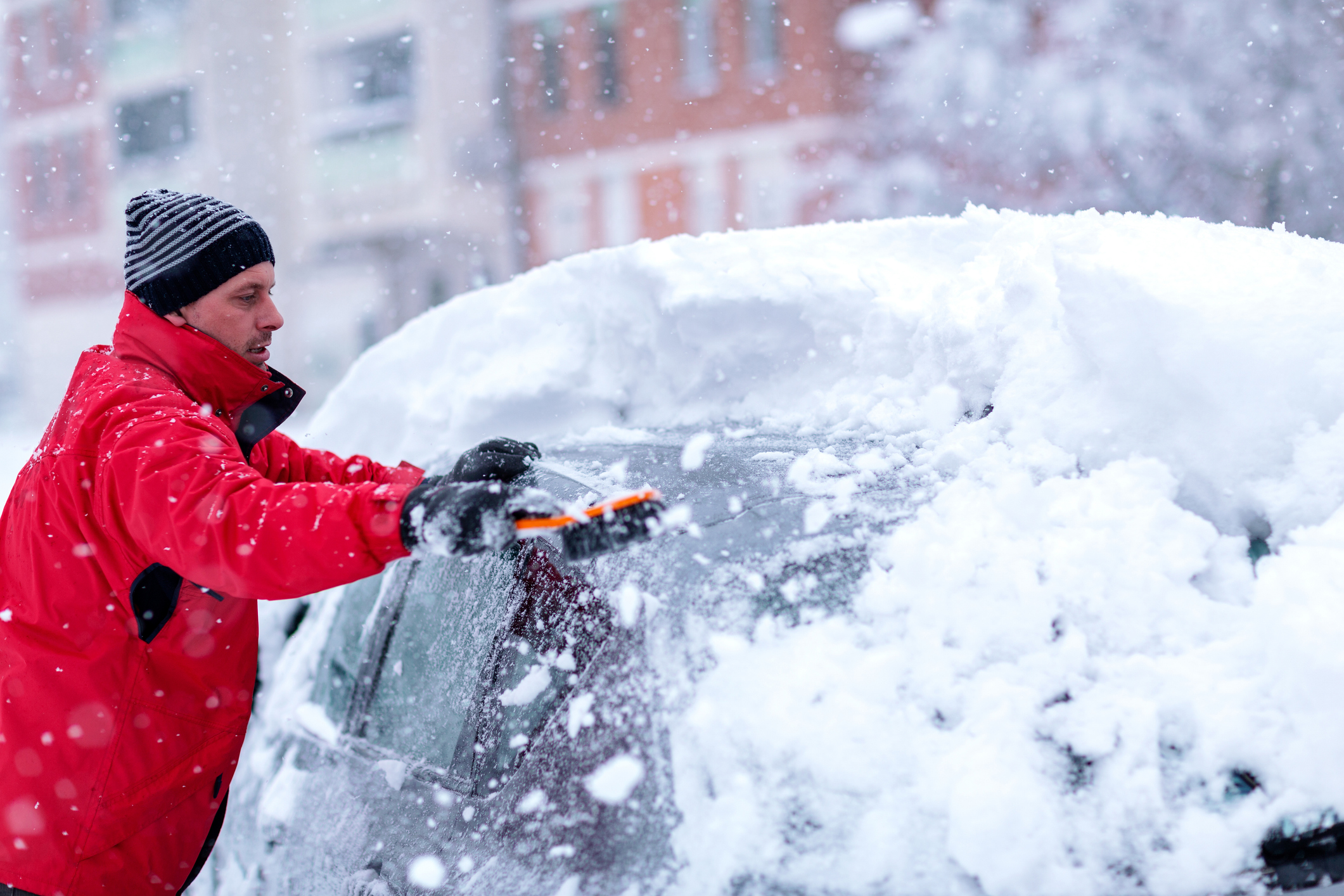
With mountains and cold temperatures just a few hours from the much warmer coastline, much of the Northeast can have some rather odd weather. This can create gusting winds—not necessarily a hurricane or tornado—just high-speed winds (i.e., 75 mph or more). When two opposing temperature masses meet, it also can create some rather nasty thunderstorms—with possible hail and sleet tossed in for good measure. Now, place all that in the middle of January or February and you’ve changed the entire outcome, which can involve massive amounts of snow or ice. By themselves, these weather effects can wreak havoc on properties. However, add in a loss of power from those storms, and the possible problems with the houses in those areas have now doubled or even tripled.
As an insurance agent, are you prepared to handle the large influx of claims in such a short period of time?
Action in a crisis
In such events, communities often band together to make things happen—neighbors help neighbors. Will you be able to assist by taking these claims calls and working with your insureds and your local utility and restoration companies, to triage each claim? Or will you simply send them off to their insurance company’s 800 number or claims website?
Let’s look at what could come your way during one of these crisis events, and then identify some solutions.
High winds can peel off roof shingles and siding, and they can cast tree limbs and other debris through windows. Wind-driven rain can soak the interiors of houses, it can cause trees to come down, and it can damage vehicles and outbuildings. Power failures can cause sump pumps to stop working and basements to flood.
Each of these aspects carry with them a multitude of questions and a multitude of needs. Consider the following example: Your insured calls you in a panic. A tree came down, and it knocked out power to his house. The tree hit the house and damaged the roof and the siding. Now water is raining in through the hole in the house’s roof. And, to top it off, the tree also hit his car, and there’s a dent in the hood.
After calming your insured down, and offering assuring words, you (the agent) can get the claim filed and confirm coverage and/or limits for each aspect of the loss. Because you’re local—and not a 1,000 miles away sitting at a desk at XYZ Insurance Co.—you can make a difference in your insured’s life by knowing people who can assist in tarping the roof, and setting up alternative living arrangements so your insured has a place to stay. You can offer advice on who can help remove the tree from the property, and you can make some suggestions about certified autobody shops in your insured’s area. And, don’t forget about the process of moving and cleaning items from the house, and rebuilding what needs to be restored. All these actions will help secure the house and mitigate the water damage—which also can reduce the size of the insurance claim.
Now, take that and multiply it by 100 or 1,000. In an area-wide cat event, you may be working this same scenario repeatedly. Each loss will have its nuances, but the framework will be the same. Calling in the troops and helping to make things happen sooner will make an enormous difference in the length of time to completion. This is important because if the houses aren’t secured, mitigated and stabilized, a myriad of additional problems will arise.
Sending your insureds off to the 800 number will only delay the process, as someone far away tells your client, in essence, to run their own show. Now, your panicked homeowner is trying to find different companies that will:
- remove the tree,
- tarp the roof and board up the house,
- move and fix the car, and
- help your insured find a place to spend the night.
This may be standard operating procedure—and if it is a one-house occurrence, maybe that isn’t so bad (unless you’re the homeowner). However, when multiplied out through a hundred of your clients, this becomes a community crisis.
Lack of action in the example mentioned previously can open a house to theft, mold growth issues and even rodent/animal incursion—damage that may be excluded from the homeowner’s insurance policy. You’re one of the professionals in this insurance claim world, and your clients may be looking to you for guidance.
While nobody would expect their agent to swing a hammer or extract water from a water-drenched home, you can be the facilitator.
Seasonal weather
If the previous example happened in the winter months—with the possibility of sub-zero temperatures—there would be other factors to consider—which could open a new can of worms—including:
- the possibility of broken pipes,
- overloaded generators, or
- heat or fire damage caused by alternative heating sources.
When the weather turns cold that’s when plumbers, HVAC professionals and mitigation companies become heroes, and if professional insurance agents know who to call in an emergency, they become part of the solution, as far as their insureds are concerned.
Prepare your clients
Of course, the old Boy Scout slogan is Be Prepared. One can start by helping clients be prepared by engaging in conversations and asking the right questions.
First, start with the necessary insurance policy questions and updates:
- Have there been any life changes that would require policy updates?
- Have there been any updates or remodeling that needs to be taken into consideration?
- Have you kept up with your regular household maintenance?
- Do you know the difference between actual cash value and replacement cost value?
Second, send reminders to ask them:
- Are your fire extinguishers up to date?
- Do you have fresh batteries in your smoke alarms?
- Have you considered alternate power sources (e.g., generators, solar panels/solar batteries)?
- These conversations and reminders keep your agency name in front of your clients, and they may even prevent a claim.
Prepare your agency
You’ve helped your clients prepare, now don’t forget to prepare your agency. Ask yourself the following question: In the event of a catastrophic weather event can my agency staff handle an inundation of insurance claims calls? If you think the answer to this question is: No, can you enlist people to help with the triage? A local employment agency, or maybe just a friend or family member?
Once you are ready to receive the claims calls, now you’ll need to build your network of trades. Restoration companies, which can be specialized, often have a network of tree experts, plumbers, asbestos abatement and environmental companies, dumpster companies, companies that offer additional living arrangements, electricians, roofers/contractors, mitigation and contents experts.
However, it’s never a bad idea to have too many contacts, so you can tell a client: “I gotta guy!” If you have an emergency folder in your desk and on your computer, with the names and numbers of these various vendors, you’ll be able to refer your clients to the companies that can best facilitate their claims, and help keep things moving forward for your insureds.
How to assemble a group of fellow heroes
I would bet that some of these vendors come through your office regularly to hand out information on their companies. You also can search for the specific companies (e.g., electricians, plumbers, tree companies, auto glass, auto body, towing/recovery companies) you need online. Don’t forget to check them out:
- Run a Google search and read the reviews.
- Contact the Better Business Bureau and review each company for claims against it.
- Speak with the representatives who visit. Ask them how prepared they are for catastrophic events.
- Check with your insurance companies to see if any of the companies are on their preferred vendor lists.
- Talk to your clients who have had previous claims. Ask them which companies they used and how they would rate the service.
Once you’ve reviewed the companies, reach out to them to ask if they would like to be part of your emergency preparedness team.
You can go the extra mile and build a list of local hotels, restaurants and local hardware stores—use the same criteria to vet them before recommending them to your clients.
Once you have your lists together, compile them in an easy-to-read format, so that you can share names and contact information with your clients easily. Do this now. Don’t wait until a cat event happens in your area to have a basic idea of an untested list of companies.
Don’t forget the disclaimer
While it would be nice if you can get positive testimonials from some of your clients who have used these companies in the past, don’t forget to include a disclaimer. Let your insureds know that you’ve “heard good things about Company A, but you can’t claim any responsibility for overall outcome.” If the company is a preferred vendor for the insureds’ insurance company, let them know that too.
And, if you get several negative reviews from your clients about working with a specific company, it’s a good idea to remove them from your master list.
Assembling and maintaining a list like this may take some time and work, but it will be valuable to your clients when they need it, which will add value to your agency.
And, I can tell you: It is pretty good feeling to say, “I gotta guy,” and know that you’re able to help people out at a time when they might not be able to focus on finding someone themselves.
This article originally appeared in the September 2025 issue of PIA Magazine.

David Brill
Dave Brill has been in the restoration industry for nearly 30 years. He started as a basic technician working on fire and water losses for one of Connecticut’s first full-service restoration companies. He received his Institute of Inspection Cleaning and Restoration Certification’s in fire restoration, odor removal, specialty carpet cleaning and electronic restoration. Additionally, Brill is a level 3 Xactimate estimator and a certified hoarding cleanup professional. Since 2020, he has worked for Paul Davis New Haven County and Shoreline East, where he started a contents department that grew from $300,000 in revenue to over $1 million in two years, and he works in the company’s marketing department.