As autumn settles over Washington, D.C., the city stirs with crisp air and an unexpected display of cherry blossoms. Yet, it wasn’t the scenery that drew independent insurance agents from across the country to the capital on Sept. 17, 2025. Instead, these dedicated professionals came together for the annual PIA National Advocacy Day—a cornerstone event at which agents share their expertise and perspectives with lawmakers as crucial insurance policies are debated.
PIA Northeast was strongly represented at Advocacy Day, with delegates bringing both experience and leadership to Capitol Hill.
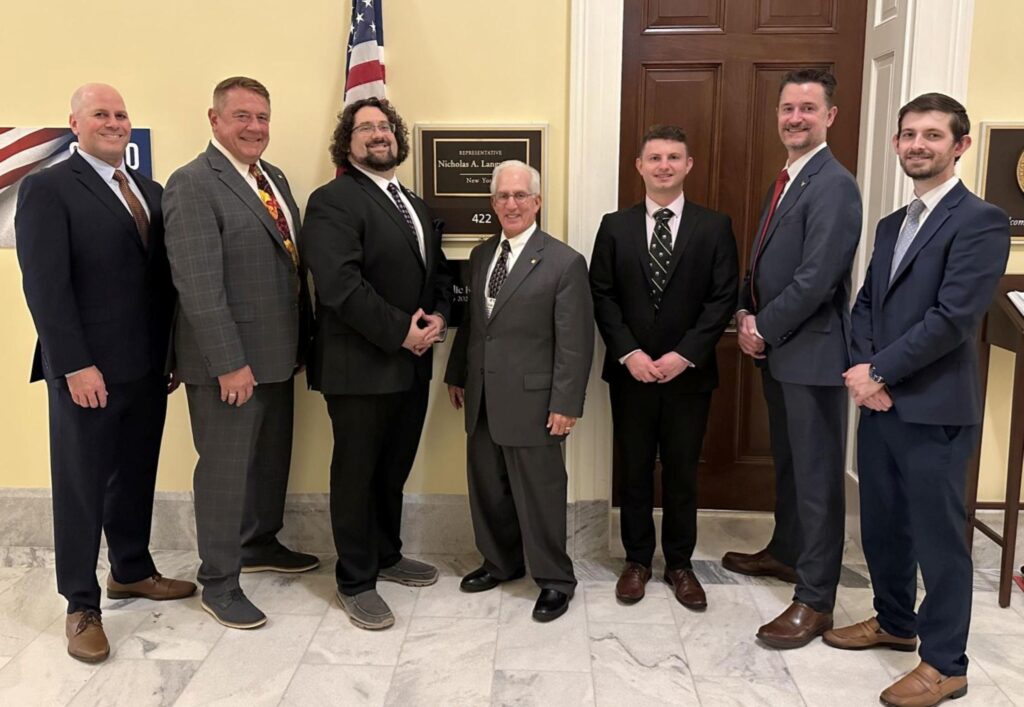
The PIANY delegation featured President Jason Bartow, AAI, CPIA, TRA, Past President Fred Holender, CLU, CPCU, ChFC, MSFS; National Director Mike Skeele, CIC, CPIA; and NY-YIP Past President Scott Richards. See photos of the New York representatives.
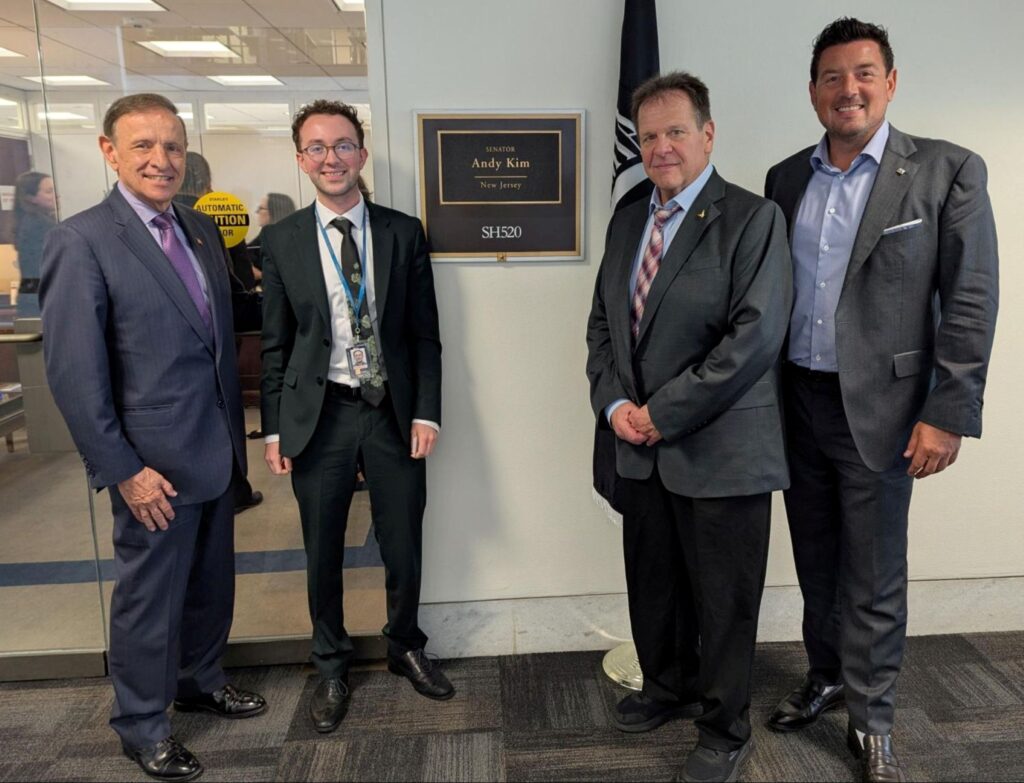
PIANJ attendees included President Roger Butler, CIC; First Vice President Aaron Levine, CIC; and National Director Paul Monacelli, CIC, CPIA. See photos of the New Jersey representatives.
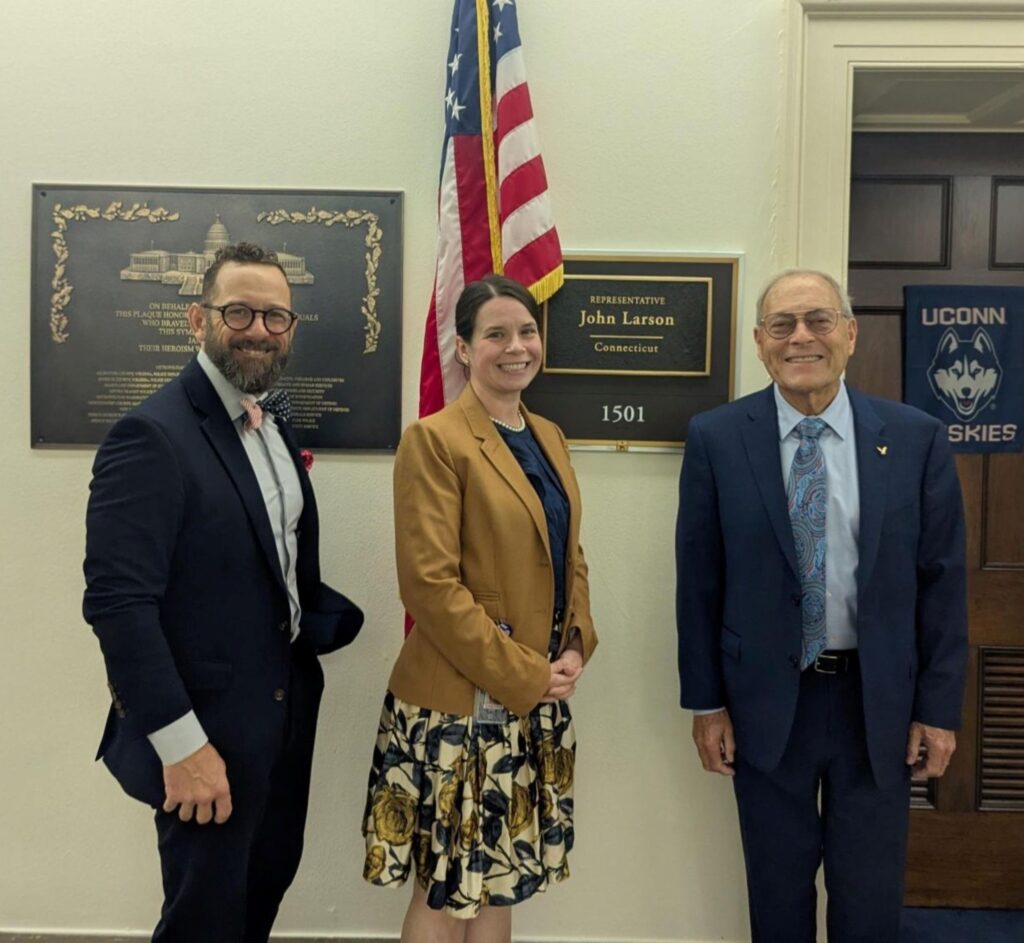
Representing Connecticut was PIACT National Director Jon Black, LUTCF, CPIA, CLTC, while PIANH was represented by National Director Lyle Fulkerson, Esq. See photos of the Connecticut representatives and see photos of the New Hampshire representatives.
Key advocacy issues
The heart of Advocacy Day focused on pivotal challenges facing the industry. Success requires strategy, persistence, and at times, a bit of luck. The agenda released by PIA National highlighted several high-priority topics, showing ongoing commitment to championing the interests of agents and their clients.
Repeal or reform the FIO
A major advocacy point was the call to repeal or reform the Federal Insurance Office—particularly to remove its subpoena authority and reinforce state-led oversight. Established under the Dodd-Frank Act of 2010, the FIO monitors the insurance industry, identifies regulatory gaps and represents the U.S. in international insurance matters. While regulatory authority remains with the states, the FIO’s subpoena powers are a concern for many.
PIA National and member states consistently voice apprehension over the FIO’s reach, believing its broad powers risk unnecessary federal intrusion into an industry traditionally regulated by the states. Agents argue that such authority could create duplicate regulatory burdens, threaten the independence of local agents, and compromise the privacy of business and client information. By advocating to limit the FIO’s subpoena authority, PIA aims to support state-based regulation, create a focused regulatory environment and ensure consumer needs remain at the forefront.
NFIP reauthorization
The National Flood Insurance Program, founded in 1968, remains the principal source of flood coverage for homeowners nationwide, filling a critical gap often left by the private market. As Congress debates NFIP’s reauthorization, PIA’s focus is on securing a long-term extension that preserves the essential role of independent agents in connecting clients with coverage.
Agents help consumers navigate NFIP’s complexities, from evolving regulations and flood maps to interpreting Risk Rating 2.0 and the Write-Your-Own program. Their expertise ensures clients receive reliable protection for their homes and businesses.
A major issue is defending the current WYO expense reimbursement rate of 29.9%, which supports agent commissions and program administration. PIA strongly opposes reducing this rate, cautioning that it would diminish the value agents offer. The association also urges careful consideration regarding the Federal Emergency Management Agency’s proposed direct-to-consumer model, which could exclude agents and leave consumers without essential guidance in a nuanced market.
Since 2017, the NFIP has operated under a series of short-term extensions after its last long-term authorization expired. PIA urges Congress to pursue stable, long-term reforms that protect the partnership between agents and consumers, which is vital for effective flood coverage.
Preserving agents’ role in flood insurance
Recently, FEMA began piloting a direct-to-consumer flood model, which allows individuals to purchase NFIP policies online without agent involvement. PIA has raised significant concerns about this trend, emphasizing that it undermines the value independent agents provide.
Flood insurance—especially under Risk Rating 2.0—relies on detailed, property-specific data—much of which is catalogued in the more than 400-page Flood Insurance Manual. The D2C approach would require consumers to obtain and interpret these data themselves, a challenging task that could lead to confusion and costly mistakes.
PIA asserts that removing agents from the process would be detrimental to consumers unfamiliar with insurance complexities, eroding the trusted guidance agents provide. Instead of increasing access, D2C risks depriving communities of the expertise needed for robust flood protection.
Scaffold Law
For Advocacy Day 2025, PIANY delegates brought special attention to New York state’s historic Scaffold Law. This year, a federal bill proposes reform, which has sparked renewed debate. The current law imposes absolute liability on employers for construction worker falls, making it one of the strongest worker safety protections in America.
The proposed legislation would withhold funding from projects governed by the Scaffold Law, pressuring state lawmakers to consider changes to its provisions.
Protecting agents and consumers—now and for the future
Although these primary issues shaped National Advocacy Day 2025, PIA’s work continues year-round. The organization remains steadfast in challenging federal overreach, defending the crucial role of agents in major insurance programs, and promoting legislation that serves communities’ needs.
As the insurance landscape evolves, PIA and its members stand ready to face new challenges, drawing on their expertise, dedication, and unwavering commitment to those they serve.

Bradford J. Lachut, Esq.
Bradford J. Lachut, Esq., joined PIA as government affairs counsel for the Government & Industry Affairs Department in 2012 and then, after a four-month leave, he returned to the association in 2018 as director of government & industry affairs responsible for all legal, government relations and insurance industry liaison programs for the five state associations. Prior to PIA, Brad worked as an attorney for Steven J. Baum PC, in Amherst, and as an associate attorney for the law office of James Morris in Buffalo. He also spent time serving as senior manager of government affairs as the Buffalo Niagara Partnership, a chamber of commerce serving the Buffalo, N.Y., region, his hometown. He received his juris doctorate from Buffalo Law School and his Bachelor of Science degree in Government and Politics from Utica College, Utica, N.Y. Brad is an active Mason and Shriner.