In many markets, winter storms remain a leading driver for seasonal auto claims tied to snow and ice, even though many of these incidents are preventable with proper preparation and awareness. The risk is significant: According to the National Weather Service, there are over 100,000 injuries due to winter weather vehicle crashes each year in the U.S.
To help mitigate risk, independent agents can proactively flag key coverage considerations, safety measures, and common pitfalls for their customers. Ahead of a winter storm, a timely client touchpoint can meaningfully reduce preventable losses, improve expectations if a claim does occur and build trust with your clients.
Navigate ice and increased road risk
One of the most significant risks when driving in winter is reduced traction, particularly in poor road conditions where black ice may form. According to the U.S. Federal Highway Administration, more than 150,000 car accidents are caused by icy roads. Drivers should also avoid sudden movements, lower their speed, use lower gears when appropriate to maintain traction and choose well-traveled, treated roads whenever possible.
Winter driving is inevitably risky, but knowing how to react to poor conditions on the road can help keep things under control. Panicked reactions, like slamming on the brakes or making sudden steering movements, can make a skid in slick conditions worse. Even in unpredictable conditions, reminding drivers to stay calm and pay extra attention to the road can go a long way.
Agents and carriers can help customers reduce exposure by reminding them, if possible, to stay off the roads. If avoiding driving is not possible, remind drivers to slow down, increase their following distance, use smooth steering and braking to maintain control on slick roads, and turn the steering wheel gently in the direction of the slide in the event of a skid.
Visibility failures and avoidable losses
Visibility is another key safety factor—particularly in winter when rapidly changing conditions can leave drivers with little time to react. During severe winter weather, visibility can be reduced to near zero by wintry precipitation and/or fog according to the National Weather Service. Winter conditions often bring snow and rain, making windshield wipers essential. Wipers that leave streaks should be replaced. To prevent ice buildup, drivers should use washer fluid with antifreeze, and keep the washer fluid reservoir topped off.
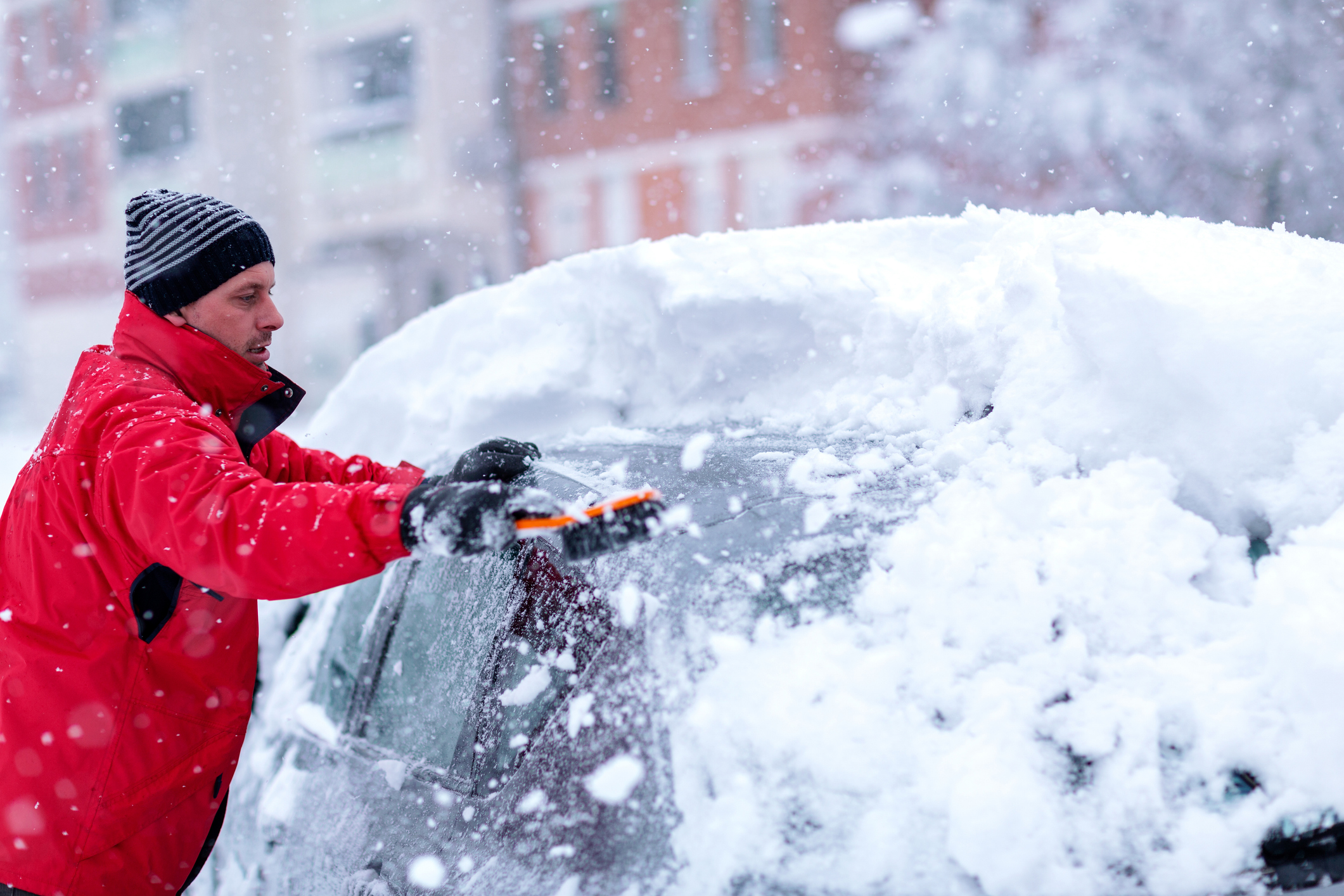
Drivers should clear snow and ice from all windows, lights, mirrors and sensors before driving to ensure visibility for their own safety and that of others on the road, and to comply with some state’s laws (e.g., Connecticut, New Hampshire and New Jersey). [EDITOR’S NOTE: While New York and Vermont do not have specific laws regarding removing snow from cars prior to driving, a driver could be cited for reckless driving if snow flies off a car and causes an accident or damage.]
Notably, while the winter sun may not bring warmth, it does bring intense glare. When sunlight reflects off snowbanks, it can cause blinding glare for drivers. In addition to keeping washer fluid stocked and windows clean, drivers can further reduce glare risks and improve visibility by regularly cleaning the inside and outside of the windshield, keeping polarized sunglasses in their vehicle, and increasing their following distance for better reaction time if glare temporarily obscures vision.
Winter storm readiness starts under the hood
As for power outages, one major risk to never overlook is that of your car’s electrical system. Cold weather exposes particularly weak or aging car batteries, causing major issues for policyholders in the winter months.Driving your car periodically throughout the season will help keep your battery and other systems in good condition. If you do have to park your car long-term, unplug the battery and connect it to a car battery tender designed for long-term use before a major winter storm is imminent. These small steps can help reduce avoidable claims, saving customers time and money, and keeping vehicles protected during severe winter conditions.
Cold weather doesn’t just affect traditional vehicles; it has a measurable impact on electric vehicles. Consumer Reports found that at about 16°F, the driving range for electric vehicles drops by roughly 25% compared with mild-weather conditions and on short trips with frequent stops, range losses can reach 50%. While cold weather can significantly affect vehicle performance, electric or traditional, it’s the drivers who plan ahead and understand their vehicle’s capabilities who can navigate winter conditions with far greater confidence.
Mitigate winter auto losses
Winter presents a meaningful opportunity for agents to reduce preventable losses and strengthen client relationships through timely education. Snow, ice and power outages consistently drive seasonal auto claims, many of which can be mitigated through clear, early guidance on safe driving and coverage awareness.
Agents should start by reinforcing that winter weather alone does not trigger auto insurance coverage. Liability coverage applies only to damage a driver causes to others, not to their own vehicle. Clarifying those distinctions ahead of severe weather helps manage expectations and reduce surprises at claim time. Proactive communication before a storm not only helps reduce preventable losses but also builds trust and protects the relationship if a loss occurs.

Howard Goldberg
Howard joined Plymouth Rock in 2011 and he leads the independent agency Customer Solutions organization. He and his team provide customer service, rate pursuit, agency service center and book transfer services. In addition, Howard oversees the digital and omni-channel transformation efforts. He has more than three decades of experience delivering customer experience in the insurance and financial services industries. Prior to joining Plymouth Rock, Howard was vice president of customer solutions at eSurance. He also served in key leadership roles at Fidelity and Putnam Investments.