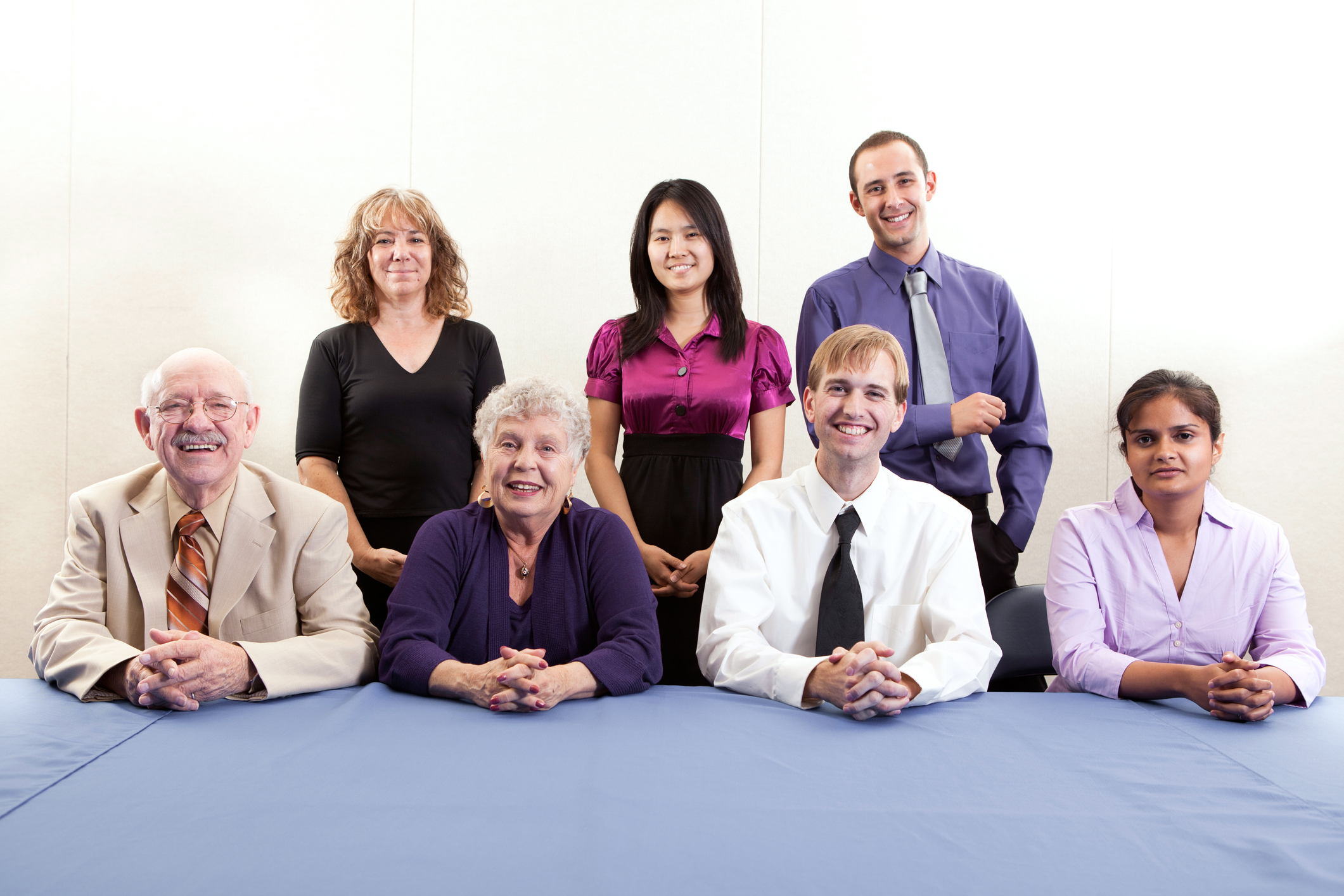
Even though most of your employees should be in the baby boomer, Gen X and millennial generations, there could be members of the Silent Generation and Gen Z working together, too. This can be a good thing as cross-generational experience can be beneficial to problem solving and enhance any workplace. However, for managers, it may present a bit of a challenge since each generation approaches work differently, and not addressing these differences could lead to your employees feeling isolated and looking for new jobs.
Know the differences
It is important to know who is on your team. Once you have that established, do your research to determine the key attributes of each generation. Create a checklist of their key characteristics and values. However, understand that generalizations don’t always work—nothing is truly one-size-fits-all. Instead, have individual conversations with each of your teammates. Ask them how they prefer to be managed and how they like to receive feedback. You may need to adapt your management style to fit each employee. What works for one team member may alienate another one.
While each generation may be known for its specific values, how different are they, really? DEI is the new buzzword, but your employees may remember desegregation in schools, the passage of the Equal Pay Act, the Equal Employment Opportunity Commission, and the Pregnancy Discrimination Act—which were all efforts to make the country more diverse and inclusive. What core values seem to be multigenerational? They are integrity, achievement, love, competence, happiness, self-respect, wisdom, balance and responsibility.
Be inclusive of all generations, make them feel valued and respected. Focusing on one group can make the others feel neglected, which can lead to conflict and disconnection. Be careful regarding stereotypes. Do not assume things are true based on the employee’s age or experience level. Nevertheless, understanding the different situations that existed when a person entered the workforce (e.g., during the Great Recession or during the COVID-19 pandemic), can help you understand some of the factors that may affect how each of your employees view working and their job.
Communication
For every generation, open communication is vital to the success of any agency. Be mindful that you may need to tailor how you communicate with each employee. Some of your direct reports may prefer to hear important news face-to-face or via a phone call, while others may prefer an email or a notice on your team collaboration platform (e.g., Teams or Slack).
Be sure to communicate your expectations, goals and agency values clearly. Establish guidelines and expectations for response times.
Managers should practice active listening and encourage an open dialogue between their team members. Be sure to listen to everyone’s viewpoints—different generations have different experiences, and they can offer unique perspectives that can make problem-solving easier.
Mentoring and resources
Take advantage of the treasure trove of experience that you may have on your staff. Good managers recognize individual talents, and they know when to delegate. If you have a staff member who is struggling in a particular area that another staff member excels at, pair those employees together so that they can hone the skills needed to succeed.
It may start off as one employee learning from another, but it is a safe bet that both employees will learn something from the experience. Find other ways to encourage cross-generational collaboration (e.g., group projects).
Everyone can benefit from professional development. This just may look different depending on the employee. Some of your employees may be interested in attending in-person classes and lectures, while others may prefer online classes, or do-on-your-own time tutorials.
Don’t forget to go beyond traditional development. While you are creating your training schedule, consider adding diversity and inclusion training programs, too. This should help your employees understand each other’s values and could help them find common ground.
Final thoughts
Articles have been written about how each generation is different, which can lead to friction in the workplace. While this is a possibility, it’s less likely to happen if managers know their staff members, and adjust their managerial style when necessary. Compromise might not always be possible, but flexibility will go a long way to keep everyone connected at work.
Plus, intergenerational harmony will help with effective knowledge-transfer, which will help to ensure continuity, and set an agency up for a successful future.
This article originally appeared in the July/August 2025 issue of PIA Magazine.

Jaye Czupryna is publications manager for PIA Northeast and editor-in-chief of PIA Magazine. She started her career in public relations, and she has been with PIA for nearly 25 years. She has overseen PIA Northeast’s various publications, including the award-winning magazine since 2009. Jaye graduated cum laude from Siena College where she earned her Bachelor of Arts Degree in English Communications.