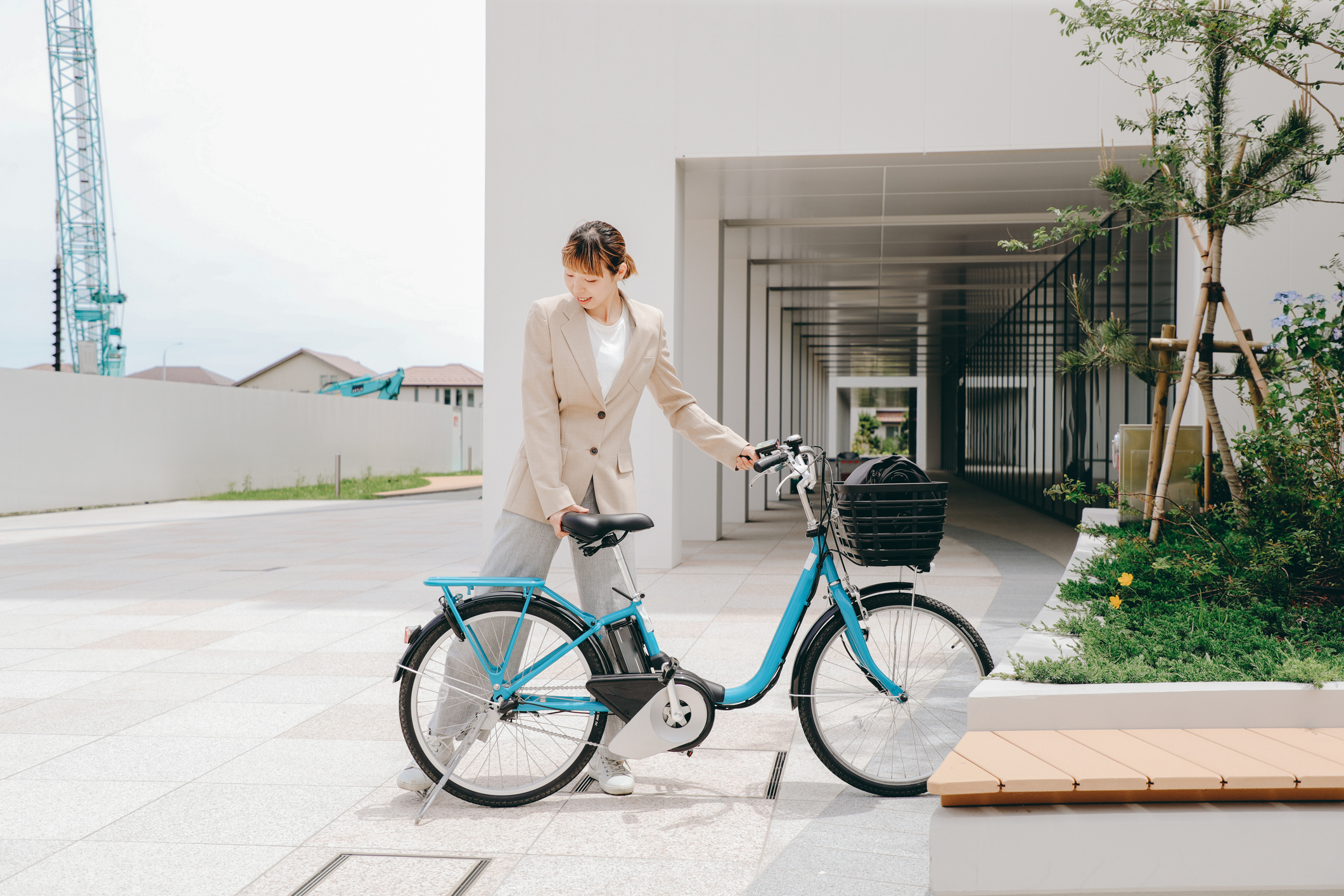
In response to an alarming increase in accidents involving electric bicycles and scooters across New Jersey, state lawmakers have introduced Senate Bill S-4763. Sponsored by Sens. Vincent J. Polistina, R-2, and Anthony M. Bucco, R-25, with co-sponsorship from Sen. Kristin Corrado, R-40, this comprehensive bill would enhance safety and address significant insurance gaps for micromobility users. The proposed legislation marks a crucial step toward regulating New Jersey’s rapidly expanding e-bike sector.
Key requirements
The bill establishes a thorough regulatory framework, including the following mandates:
Mandatory registration. All low-speed electric bicycles and scooters would need to be registered with the New Jersey Motor Vehicle Commission for an $8 annual fee.
Visible registration label. Each device would need to display a registration label.
Safety training. First-time registrants would need to complete a safety training module developed by the MVC.
Insurance coverage: All registered e-bikes and scooters must carry liability insurance, personal injury protection for pedestrians and uninsured motorist coverage.
Insurance requirements explained
This legislation would address the insurance gaps identified in the New Jersey Supreme Court’s decision in Goyco v. Progressive Insurance Co., which clarified that micromobility riders are not considered pedestrians under New Jersey’s no-fault law, and are therefore excluded from standard auto insurance protections.
S-4763 would amend several statutes to bring e-bikes and e-scooters under New Jersey’s motor vehicle insurance framework:
Liability insurance. Owners would need to maintain coverage for bodily injury, death and property damage. Minimum coverage amounts are:
- $25,000 per person and $50,000 per accident for policies issued before Thursday, Jan. 1, 2026.
- $35,000 per person and $70,000 per accident for policies issued on or after Thursday, Jan. 1, 2026.
- $25,000 for property damage per accident,
If these coverage amounts look familiar, it is because they are the same minimum limits that are required for traditional motor vehicles. In part, S-4763 incorporates e-bikes and e-scooters to the existing minimum limits statute that applies to motor vehicles.
Personal injury protection. Insurance policies would need to include personal injury protection benefits for pedestrians injured by an e-bike or e-scooter, or by objects propelled from these devices. This would mirror protections provided under traditional auto policies.
Uninsured motorist coverage. Registrants would be required to carry uninsured motorist coverage, ensuring compensation if the at-fault party has no insurance.
Why this legislation matters
PIANJ has long advocated for combining e-bike safety education with robust insurance protections. As serious accidents continue to make headlines, S-4763 would offer a balanced approach—promoting responsible riding while ensuring victims receive financial support. The bill also would align insurance requirements for e-bikes and e-scooters with those for mopeds and motorcycles, bringing consistency to New Jersey’s treatment of motorized vehicles.
Next steps
S-4763 has been referred to the Senate Law and Public Safety Committee. If enacted, the legislation would take effect seven months after passage, allowing the MVC time to implement registration and training systems.
PIANJ encourages stakeholders to support this legislation and help create a safer, more accountable micromobility environment in New Jersey.

Bradford J. Lachut, Esq.
Bradford J. Lachut, Esq., joined PIA as government affairs counsel for the Government & Industry Affairs Department in 2012 and then, after a four-month leave, he returned to the association in 2018 as director of government & industry affairs responsible for all legal, government relations and insurance industry liaison programs for the five state associations. Prior to PIA, Brad worked as an attorney for Steven J. Baum PC, in Amherst, and as an associate attorney for the law office of James Morris in Buffalo. He also spent time serving as senior manager of government affairs as the Buffalo Niagara Partnership, a chamber of commerce serving the Buffalo, N.Y., region, his hometown. He received his juris doctorate from Buffalo Law School and his Bachelor of Science degree in Government and Politics from Utica College, Utica, N.Y. Brad is an active Mason and Shriner.
- Bradford J. Lachut, Esq.
- Bradford J. Lachut, Esq.
- Bradford J. Lachut, Esq.
- Bradford J. Lachut, Esq.
- Bradford J. Lachut, Esq.
- Bradford J. Lachut, Esq.
- Bradford J. Lachut, Esq.
- Bradford J. Lachut, Esq.
- Bradford J. Lachut, Esq.
- Bradford J. Lachut, Esq.
- Bradford J. Lachut, Esq.
- Bradford J. Lachut, Esq.
- Bradford J. Lachut, Esq.
- Bradford J. Lachut, Esq.
- Bradford J. Lachut, Esq.
- Bradford J. Lachut, Esq.
- Bradford J. Lachut, Esq.
- Bradford J. Lachut, Esq.
- Bradford J. Lachut, Esq.
- Bradford J. Lachut, Esq.
- Bradford J. Lachut, Esq.
- Bradford J. Lachut, Esq.
- Bradford J. Lachut, Esq.
- Bradford J. Lachut, Esq.
- Bradford J. Lachut, Esq.
- Bradford J. Lachut, Esq.
- Bradford J. Lachut, Esq.
- Bradford J. Lachut, Esq.
- Bradford J. Lachut, Esq.
- Bradford J. Lachut, Esq.
- Bradford J. Lachut, Esq.
- Bradford J. Lachut, Esq.
- Bradford J. Lachut, Esq.
- Bradford J. Lachut, Esq.
- Bradford J. Lachut, Esq.
- Bradford J. Lachut, Esq.
- Bradford J. Lachut, Esq.
- Bradford J. Lachut, Esq.
- Bradford J. Lachut, Esq.
- Bradford J. Lachut, Esq.
- Bradford J. Lachut, Esq.
- Bradford J. Lachut, Esq.
- Bradford J. Lachut, Esq.
- Bradford J. Lachut, Esq.
- Bradford J. Lachut, Esq.
- Bradford J. Lachut, Esq.
- Bradford J. Lachut, Esq.
- Bradford J. Lachut, Esq.
- Bradford J. Lachut, Esq.
- Bradford J. Lachut, Esq.
- Bradford J. Lachut, Esq.
- Bradford J. Lachut, Esq.
- Bradford J. Lachut, Esq.
- Bradford J. Lachut, Esq.
- Bradford J. Lachut, Esq.
- Bradford J. Lachut, Esq.
- Bradford J. Lachut, Esq.
- Bradford J. Lachut, Esq.
- Bradford J. Lachut, Esq.
- Bradford J. Lachut, Esq.
- Bradford J. Lachut, Esq.
- Bradford J. Lachut, Esq.
- Bradford J. Lachut, Esq.
- Bradford J. Lachut, Esq.
- Bradford J. Lachut, Esq.
- Bradford J. Lachut, Esq.
- Bradford J. Lachut, Esq.
- Bradford J. Lachut, Esq.
- Bradford J. Lachut, Esq.
- Bradford J. Lachut, Esq.
- Bradford J. Lachut, Esq.
- Bradford J. Lachut, Esq.
- Bradford J. Lachut, Esq.
- Bradford J. Lachut, Esq.
- Bradford J. Lachut, Esq.
- Bradford J. Lachut, Esq.
- Bradford J. Lachut, Esq.
- Bradford J. Lachut, Esq.
- Bradford J. Lachut, Esq.
- Bradford J. Lachut, Esq.
- Bradford J. Lachut, Esq.
- Bradford J. Lachut, Esq.
- Bradford J. Lachut, Esq.
- Bradford J. Lachut, Esq.
- Bradford J. Lachut, Esq.
- Bradford J. Lachut, Esq.
- Bradford J. Lachut, Esq.
- Bradford J. Lachut, Esq.
- Bradford J. Lachut, Esq.
- Bradford J. Lachut, Esq.
- Bradford J. Lachut, Esq.
- Bradford J. Lachut, Esq.
- Bradford J. Lachut, Esq.
- Bradford J. Lachut, Esq.
- Bradford J. Lachut, Esq.
- Bradford J. Lachut, Esq.
- Bradford J. Lachut, Esq.
- Bradford J. Lachut, Esq.
- Bradford J. Lachut, Esq.
- Bradford J. Lachut, Esq.
- Bradford J. Lachut, Esq.
- Bradford J. Lachut, Esq.
- Bradford J. Lachut, Esq.
- Bradford J. Lachut, Esq.
- Bradford J. Lachut, Esq.
- Bradford J. Lachut, Esq.
- Bradford J. Lachut, Esq.
- Bradford J. Lachut, Esq.
- Bradford J. Lachut, Esq.
- Bradford J. Lachut, Esq.
- Bradford J. Lachut, Esq.
- Bradford J. Lachut, Esq.
- Bradford J. Lachut, Esq.
- Bradford J. Lachut, Esq.
- Bradford J. Lachut, Esq.
- Bradford J. Lachut, Esq.
- Bradford J. Lachut, Esq.
- Bradford J. Lachut, Esq.
- Bradford J. Lachut, Esq.
- Bradford J. Lachut, Esq.
- Bradford J. Lachut, Esq.
- Bradford J. Lachut, Esq.
- Bradford J. Lachut, Esq.
- Bradford J. Lachut, Esq.
- Bradford J. Lachut, Esq.
- Bradford J. Lachut, Esq.
- Bradford J. Lachut, Esq.
- Bradford J. Lachut, Esq.
- Bradford J. Lachut, Esq.
- Bradford J. Lachut, Esq.
- Bradford J. Lachut, Esq.
- Bradford J. Lachut, Esq.
- Bradford J. Lachut, Esq.
- Bradford J. Lachut, Esq.
- Bradford J. Lachut, Esq.
- Bradford J. Lachut, Esq.
- Bradford J. Lachut, Esq.
- Bradford J. Lachut, Esq.
- Bradford J. Lachut, Esq.
- Bradford J. Lachut, Esq.
- Bradford J. Lachut, Esq.
- Bradford J. Lachut, Esq.
- Bradford J. Lachut, Esq.
- Bradford J. Lachut, Esq.
- Bradford J. Lachut, Esq.
- Bradford J. Lachut, Esq.
- Bradford J. Lachut, Esq.
- Bradford J. Lachut, Esq.
- Bradford J. Lachut, Esq.
- Bradford J. Lachut, Esq.
- Bradford J. Lachut, Esq.
- Bradford J. Lachut, Esq.
- Bradford J. Lachut, Esq.
- Bradford J. Lachut, Esq.
- Bradford J. Lachut, Esq.
- Bradford J. Lachut, Esq.
- Bradford J. Lachut, Esq.
- Bradford J. Lachut, Esq.
- Bradford J. Lachut, Esq.
- Bradford J. Lachut, Esq.
- Bradford J. Lachut, Esq.
- Bradford J. Lachut, Esq.
- Bradford J. Lachut, Esq.
- Bradford J. Lachut, Esq.
- Bradford J. Lachut, Esq.
- Bradford J. Lachut, Esq.
- Bradford J. Lachut, Esq.
- Bradford J. Lachut, Esq.
- Bradford J. Lachut, Esq.
- Bradford J. Lachut, Esq.
- Bradford J. Lachut, Esq.
- Bradford J. Lachut, Esq.
- Bradford J. Lachut, Esq.
- Bradford J. Lachut, Esq.
- Bradford J. Lachut, Esq.
- Bradford J. Lachut, Esq.
- Bradford J. Lachut, Esq.
- Bradford J. Lachut, Esq.
- Bradford J. Lachut, Esq.
- Bradford J. Lachut, Esq.
- Bradford J. Lachut, Esq.
- Bradford J. Lachut, Esq.
- Bradford J. Lachut, Esq.
- Bradford J. Lachut, Esq.
- Bradford J. Lachut, Esq.
- Bradford J. Lachut, Esq.
- Bradford J. Lachut, Esq.
- Bradford J. Lachut, Esq.
- Bradford J. Lachut, Esq.
- Bradford J. Lachut, Esq.
- Bradford J. Lachut, Esq.
- Bradford J. Lachut, Esq.
- Bradford J. Lachut, Esq.
- Bradford J. Lachut, Esq.
- Bradford J. Lachut, Esq.
- Bradford J. Lachut, Esq.
- Bradford J. Lachut, Esq.
- Bradford J. Lachut, Esq.
- Bradford J. Lachut, Esq.
- Bradford J. Lachut, Esq.
- Bradford J. Lachut, Esq.
- Bradford J. Lachut, Esq.
- Bradford J. Lachut, Esq.
- Bradford J. Lachut, Esq.
- Bradford J. Lachut, Esq.
- Bradford J. Lachut, Esq.
- Bradford J. Lachut, Esq.
- Bradford J. Lachut, Esq.
- Bradford J. Lachut, Esq.
- Bradford J. Lachut, Esq.
- Bradford J. Lachut, Esq.
- Bradford J. Lachut, Esq.
- Bradford J. Lachut, Esq.
- Bradford J. Lachut, Esq.
- Bradford J. Lachut, Esq.
- Bradford J. Lachut, Esq.
- Bradford J. Lachut, Esq.
- Bradford J. Lachut, Esq.
- Bradford J. Lachut, Esq.
- Bradford J. Lachut, Esq.
- Bradford J. Lachut, Esq.
- Bradford J. Lachut, Esq.
- Bradford J. Lachut, Esq.
- Bradford J. Lachut, Esq.
- Bradford J. Lachut, Esq.
- Bradford J. Lachut, Esq.
- Bradford J. Lachut, Esq.
- Bradford J. Lachut, Esq.
- Bradford J. Lachut, Esq.
- Bradford J. Lachut, Esq.
- Bradford J. Lachut, Esq.
- Bradford J. Lachut, Esq.
- Bradford J. Lachut, Esq.
- Bradford J. Lachut, Esq.
- Bradford J. Lachut, Esq.
- Bradford J. Lachut, Esq.
- Bradford J. Lachut, Esq.
- Bradford J. Lachut, Esq.
- Bradford J. Lachut, Esq.
- Bradford J. Lachut, Esq.
- Bradford J. Lachut, Esq.
- Bradford J. Lachut, Esq.
- Bradford J. Lachut, Esq.
- Bradford J. Lachut, Esq.
- Bradford J. Lachut, Esq.
- Bradford J. Lachut, Esq.
- Bradford J. Lachut, Esq.
- Bradford J. Lachut, Esq.
- Bradford J. Lachut, Esq.
- Bradford J. Lachut, Esq.
- Bradford J. Lachut, Esq.
- Bradford J. Lachut, Esq.
- Bradford J. Lachut, Esq.
- Bradford J. Lachut, Esq.
- Bradford J. Lachut, Esq.
- Bradford J. Lachut, Esq.
- Bradford J. Lachut, Esq.
- Bradford J. Lachut, Esq.
- Bradford J. Lachut, Esq.
- Bradford J. Lachut, Esq.
- Bradford J. Lachut, Esq.
- Bradford J. Lachut, Esq.
- Bradford J. Lachut, Esq.
- Bradford J. Lachut, Esq.
- Bradford J. Lachut, Esq.
- Bradford J. Lachut, Esq.
- Bradford J. Lachut, Esq.
- Bradford J. Lachut, Esq.
- Bradford J. Lachut, Esq.
- Bradford J. Lachut, Esq.
- Bradford J. Lachut, Esq.
- Bradford J. Lachut, Esq.
- Bradford J. Lachut, Esq.
- Bradford J. Lachut, Esq.
- Bradford J. Lachut, Esq.
- Bradford J. Lachut, Esq.
- Bradford J. Lachut, Esq.
- Bradford J. Lachut, Esq.
- Bradford J. Lachut, Esq.
- Bradford J. Lachut, Esq.
- Bradford J. Lachut, Esq.
- Bradford J. Lachut, Esq.
- Bradford J. Lachut, Esq.
- Bradford J. Lachut, Esq.
- Bradford J. Lachut, Esq.
- Bradford J. Lachut, Esq.
- Bradford J. Lachut, Esq.
- Bradford J. Lachut, Esq.
- Bradford J. Lachut, Esq.
- Bradford J. Lachut, Esq.
- Bradford J. Lachut, Esq.
- Bradford J. Lachut, Esq.
- Bradford J. Lachut, Esq.
- Bradford J. Lachut, Esq.
- Bradford J. Lachut, Esq.
- Bradford J. Lachut, Esq.
- Bradford J. Lachut, Esq.
- Bradford J. Lachut, Esq.
- Bradford J. Lachut, Esq.
- Bradford J. Lachut, Esq.
- Bradford J. Lachut, Esq.
- Bradford J. Lachut, Esq.
- Bradford J. Lachut, Esq.
- Bradford J. Lachut, Esq.
- Bradford J. Lachut, Esq.
- Bradford J. Lachut, Esq.
- Bradford J. Lachut, Esq.
- Bradford J. Lachut, Esq.
- Bradford J. Lachut, Esq.
- Bradford J. Lachut, Esq.
- Bradford J. Lachut, Esq.
- Bradford J. Lachut, Esq.
- Bradford J. Lachut, Esq.