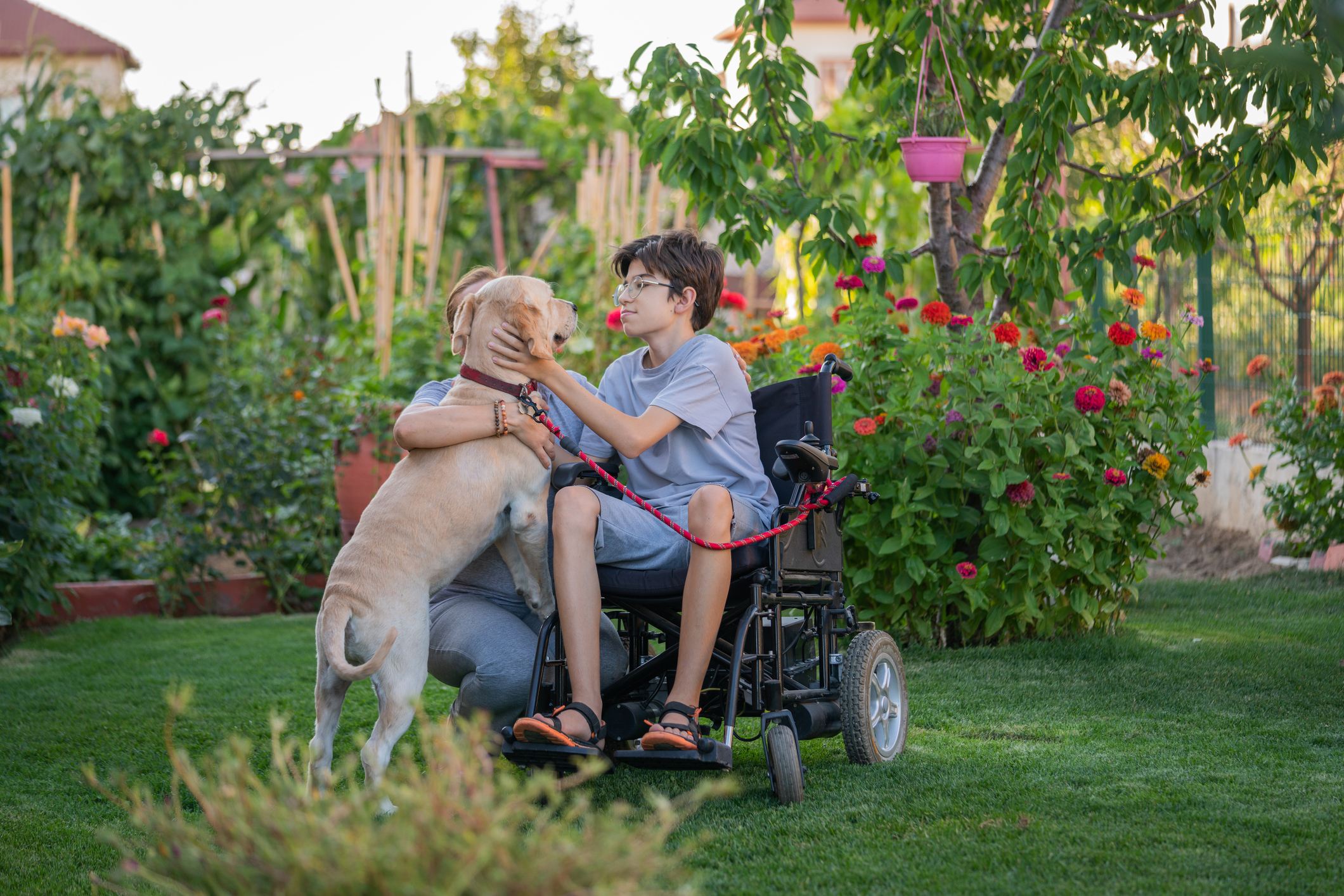
Connecticut lawmakers are once again revisiting an issue that sits right at the intersection of insurance underwriting and consumer protection: how insurers treat policyholders who own certain dog breeds. This session, H.B.Raised Bill 5264 would propose new limitations on when carriers can take adverse underwriting actions—specifically when a dog is trained or being trained as a service animal.
While PIACT is not taking a formal position on the bill, the association is once again offering technical recommendations to help prevent unintended consequences and keep the legislation aligned with real-world underwriting practices.
Let’s break down what’s in the bill, why it matters, and what PIACT is recommending this year.
What the bill would do
Under the bill, insurers writing homeowners or tenants policies in Connecticut would be prohibited—starting Thursday, Oct. 1, 2026—from canceling, refusing to renew or declining to issue a policy solely because of the breed of a dog if:
- the dog is trained or being trained as a service animal to assist individuals who are blind, deaf or mobility impaired; or
- the policyholder owns a therapy animal as defined in state statute.
At first glance, it’s fairly targeted: this isn’t a blanket ban on breed considerations. It’s about specific categories of animals used to support people with disabilities or therapeutic needs.
However, as agents and brokers know, the devil is often in the details—and in insurance, those details matter a lot.
Why this matters for insurance professionals
Most of you have seen firsthand how carriers evaluate dog-related risks. Breed is only one factor, and it’s typically weighed alongside behavior, bite history, training and policy limits. Even a well-intentioned bill can have ripple effects if it unintentionally creates loopholes or ambiguities.
PIACT’s role is simple. Make sure any law enacted works the way lawmakers mean it to—and doesn’t accidentally leave gaps that confuse carriers, frustrate insureds or reduce consumer protection.
Lessons learned: Looking back to look forward
If this discussion feels familiar, that’s because Connecticut has explored variations of this issue for several years. And as with prior bills, PIACT draws on lessons learned in other states—most notably New York state.
Back in 2021, New York passed a law to prevent insurers from denying coverage based on a dog’s breed. Good idea, good intent—but it didn’t prevent carriers from adding exclusions for certain dog breeds, reducing liability limits specifically for dog-related claims, and imposing new sublimits tied to certain breeds. The law said insurers couldn’t deny or nonrenew a policy because of breed, but it didn’t say they couldn’t limit coverage based on breed.
PIA Northeast flagged the issue immediately. A fix came later—but only after consumers experienced confusing, and sometimes significant, coverage gaps.
PIACT’s goal is to help Connecticut avoid the same pitfalls.
PIACT’s technical recommendation this year
As with last session, PIACT recommendis a simple but important change: Clarify that insurers cannot reduce or exclude coverage based solely on a dog’s breed in these specific circumstances. PIACT’s recommendation was incorporated into last year’s version of the bill, which ultimately did not pass the Legislature.
Why this matters
Without this clarification, insurers could comply with the law while still limiting coverage. Consumers might believe they’re protected when they’re actually subject to reduced limits or exclusions.
Agents could be left delivering unwelcome surprises at renewal or during a claim. The bill’s intent—to prevent discriminatory practices in cases involving service and therapy animals—could be undermined. The suggestion does not restrict carriers from underwriting based on an individual dog’s behavior. That remains important and appropriate. Instead, it ensures that a policyholder with a service or therapy animal isn’t penalized simply because the dog happens to be a certain breed.
As the bill moves through committee discussions and stakeholder input, PIACT will continue serving as a technical resource to help legislators craft strong, workable language.

Bradford J. Lachut, Esq.
Bradford J. Lachut, Esq., joined PIA as government affairs counsel for the Government & Industry Affairs Department in 2012 and then, after a four-month leave, he returned to the association in 2018 as director of government & industry affairs responsible for all legal, government relations and insurance industry liaison programs for the five state associations. Prior to PIA, Brad worked as an attorney for Steven J. Baum PC, in Amherst, and as an associate attorney for the law office of James Morris in Buffalo. He also spent time serving as senior manager of government affairs as the Buffalo Niagara Partnership, a chamber of commerce serving the Buffalo, N.Y., region, his hometown. He received his juris doctorate from Buffalo Law School and his Bachelor of Science degree in Government and Politics from Utica College, Utica, N.Y. Brad is an active Mason and Shriner.