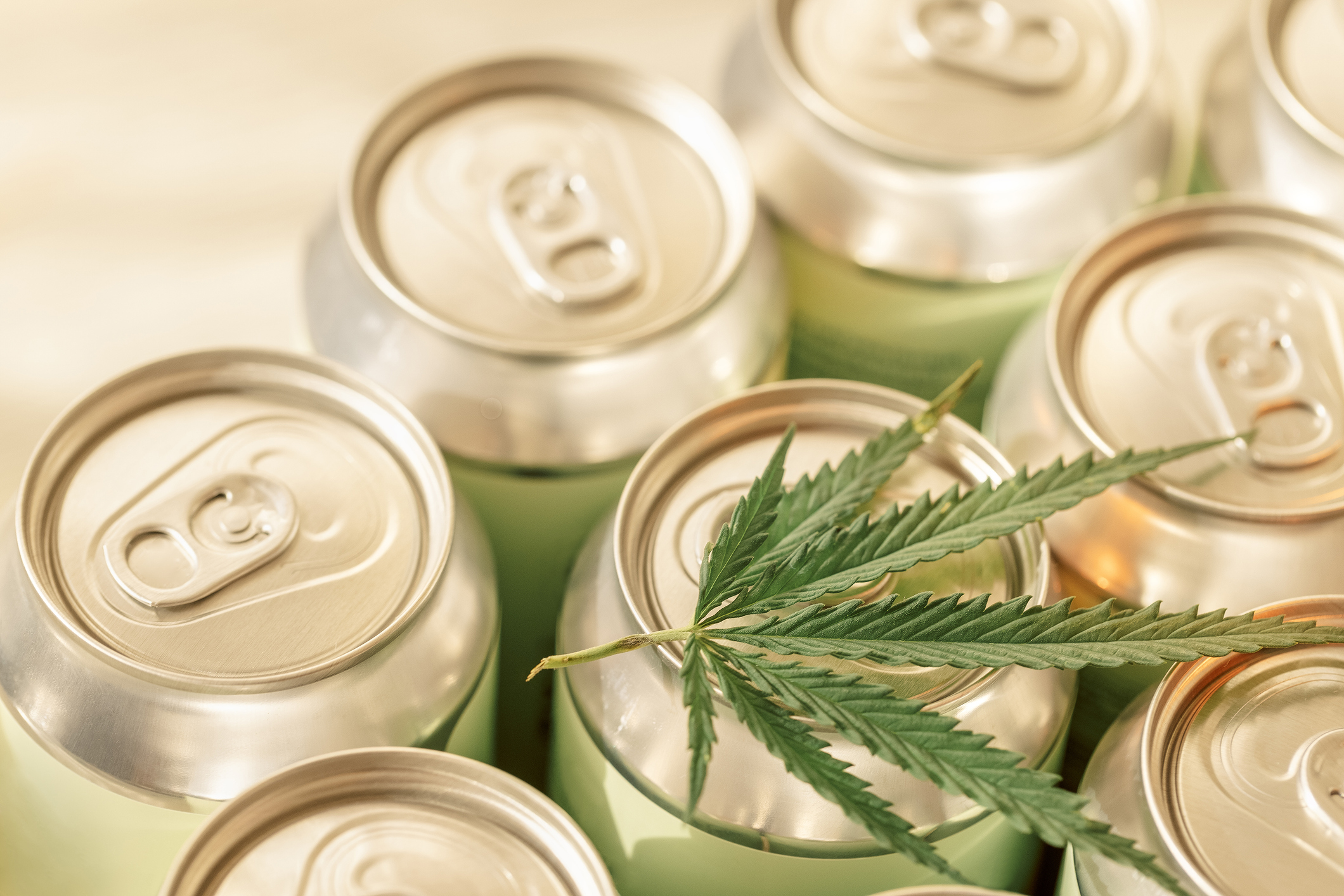
Cannabis-infused beverages are quickly becoming one of the hottest segments in both the cannabis and functional wellness markets. From THC-spiked sodas to CBD-infused teas, these drinks offer a popular alternative to alcohol. However, while they may be smooth to sip, they pose complex challenges for insurance producers navigating uncertain liability terrain.
In the Northeast—where cannabis legalization varies by state—insurance professionals must be especially vigilant when reviewing commercial general liability and liquor liability coverage for clients involved in the manufacturing, distribution or sale of these beverages. Even if the product is legal under state law, that doesn’t mean it’s covered under a standard policy.
Let’s explore what you need to know—and the right questions to ask—to protect both your clients and your errors-and-omissions exposure.
CGL policies: A coverage mirage?
First stop on our magical mystery tour: the ISO commercial general liability policy. At a glance, it raises some key questions—chief among them: Does the liquor liability exclusion apply to cannabis-infused beverages?
The liquor liability exclusion removes coverage for bodily injury or property damage for which an insured may be liable due to “causing or contributing to the intoxication of any person …” Let’s pause on that word: intoxication.
The term is undefined in the policy. Merriam-Webster defines intoxication as “the condition of having physical or mental control markedly diminished by the effects of alcohol or drugs.” So by that definition, intoxication could include impairment from alcohol or cannabis.
However, the story doesn’t end there. The exclusion goes on to list additional scenarios that also would be excluded from coverage:
The furnishing of alcoholic beverages to a person under the legal drinking age or under the influence of alcohol; or any statute, ordinance or regulation relating to the sale, gift, distribution or use of alcoholic beverages.
A few things stand out. First, all this language appears under the liquor liability section. Second, aside from the first item—which does not explicitly mention “alcoholic beverages”—the rest of the exclusion clearly does. This context strongly suggests that “intoxication” within this exclusion is intended to mean alcohol-induced, not impairment from other substances like THC.
When does the liquor liability exclusion apply?
Even if there’s some ambiguity about how intoxication is defined, there’s one thing the ISO CGL policy makes clear: the liquor liability exclusion applies only to businesses involved in manufacturing, distributing, selling, serving or furnishing alcoholic beverages.
So, if your client allows patrons to bring their own drinks—whether alcoholic or cannabis-infused—but does not serve or sell them, typically this exclusion does not apply. The client is simply tolerating the presence of these drinks, not providing them.
Therefore, if your clients’ THC beverage does not contain alcohol, and they are not in the business of selling alcoholic beverages, the liquor liability exclusion likely doesn’t apply. That’s the good news.
However, a lack of exclusion does not equal coverage.
Cannabis-specific exclusions: The real obstacle
Many standard CGL policies now include cannabis-specific exclusions—sometimes multiple. ISO has published at least five of these, excluding coverage for anything containing marijuana, THC, or even hemp-derived components, depending on the form used.
What’s more, impairment-related incidents—like a customer becoming intoxicated from a THC beverage and causing injury—usually require affirmative coverage. Without it, even if the liquor liability exclusion doesn’t apply, a claim likely will be denied.
Liquor liability endorsements: Not the solution
You might assume that adding ISO’s liquor liability coverage form could plug any gaps. Unfortunately, that’s a dead end.
This form applies only to liability stemming from the furnishing of alcoholic beverages. It doesn’t cover intoxication more broadly, and it certainly doesn’t address THC or other nonalcoholic intoxicants.
Even if a consumer becomes impaired by a THC beverage, the liquor liability endorsement won’t respond unless alcohol is involved. That creates a gray area: THC-related claims may not be explicitly excluded—but they aren’t affirmatively covered either. It’s a textbook example of a coverage gap—particularly dangerous for establishments like bars, cafés or dispensaries that offer THC drinks.
Emerging exposures and the case for specialty markets
As THC beverages spread from dispensaries to golf courses and concert venues, new risks are emerging: overconsumption, impaired driving, mislabeling, accidental ingestion and more.
Most standard carriers won’t touch this exposure. Even if coverage could be interpreted to apply, claims still may be denied under cannabis exclusions, or because the underwriter wasn’t fully informed about the operations.
That’s why transparency during the application process is critical. Encourage clients to describe their products and operations clearly and completely. In this space, ambiguity is a liability.
Better yet, seek out specialized carriers or excess and surplus lines markets that understand the cannabis ecosystem. These carriers are more likely to offer affirmative coverage for product liability, intoxication-related claims, and certain regulatory risks—provided your client meets strict underwriting standards.
Protect yourself
To protect both your clients and your own E&O, here are essential questions to ask when discussing liquor liability:
- Does the client sell THC-infused beverages?
- Do those beverages contain any alcohol?
- Is the client in the business of selling or serving alcoholic drinks?
- What cannabis or hemp exclusions are in the CGL policy?
- Is there impairment-related coverage for THC consumption?
- Has the underwriter reviewed and approved THC-related exposures in writing?
Don’t rely on assumptions—get clarity in writing.
Insurance producers to the rescue, suggestions
As with any emerging risk, insurance producers play a key role in helping clients stay ahead of potential exposures. THC beverages may be new territory for many clients, but the liability issues are real.
Encourage clients to incorporate THC beverages into their alcohol service policies—not just their insurance program. Best practices should include:
- Make sure labels and doses are accurate.
- Make sure signage about THC content is prominent.
- Make sure staff members receive service and safety training.
- Make sure there are clear policies on how to refuse service to impaired individuals.
- Make sure to document risk management procedures.
These practices not only protect consumers—they also can position your client as a more favorable risk in the eyes of underwriters.
Final sip: Don’t assume–ask
As the cannabis beverage market evolves, so does the complexity of insuring it. A standard CGL policy might seem like it offers protection, but liquor and cannabis exclusions can leave serious insurance gaps.
The best defense? Ask questions. Read carefully. Involve underwriters early. Confirm everything in writing.
In short: Sip slowly, read the fine print, and make sure your clients are covered before the party starts.
This article originally appeared in the March 2026 issue of PIA Magazine.

Bradford J. Lachut, Esq.
Bradford J. Lachut, Esq., joined PIA as government affairs counsel for the Government & Industry Affairs Department in 2012 and then, after a four-month leave, he returned to the association in 2018 as director of government & industry affairs responsible for all legal, government relations and insurance industry liaison programs for the five state associations. Prior to PIA, Brad worked as an attorney for Steven J. Baum PC, in Amherst, and as an associate attorney for the law office of James Morris in Buffalo. He also spent time serving as senior manager of government affairs as the Buffalo Niagara Partnership, a chamber of commerce serving the Buffalo, N.Y., region, his hometown. He received his juris doctorate from Buffalo Law School and his Bachelor of Science degree in Government and Politics from Utica College, Utica, N.Y. Brad is an active Mason and Shriner.